
What is City Gas Distribution (CGD)? India's fastest-growing gas infrastructure explained
City Gas Distribution (CGD) is the network infrastructure that delivers natural gas within a city or defined geographical area - piped natural gas to homes and businesses, gas to industry, and CNG to vehicles - fed from transmission pipelines at city-gate stations. India has authorised CGD development across 300+ geographical areas covering most of its population, making CGD the fastest-growing layer of the country's gas infrastructure and a fast-growing inspection and integrity challenge in its own right.
City Gas Distribution - CGD - is the layer of gas infrastructure most people in India will actually touch: the network that brings piped natural gas into kitchens, fuels CNG vehicles, and supplies commercial and industrial consumers within a city. It is also, by authorisation footprint and build rate, the fastest-growing part of the country's energy infrastructure - and a fast-compounding inspection challenge.
How a CGD network is structured
Gas arrives from a cross-country transmission pipeline at a city-gate station, where custody transfers, pressure is stepped down, and the gas is odorised for leak detectability. From there it moves through a pressure hierarchy: steel pipelines ring the city at higher distribution pressures, feeding district regulating stations that step pressure down again into medium- and low-pressure polyethylene networks running under streets to individual consumers. Four consumer segments hang off this network: domestic piped natural gas (PNG), commercial PNG, industrial PNG, and CNG stations dispensing to vehicles.
The scale of the Indian build-out
Through successive PNGRB bidding rounds, CGD authorisation now covers 300+ geographical areas spanning the large majority of India's population and area - a deliberate policy outcome of the national push to raise natural gas's share of the energy mix. Each authorised GA carries binding rollout obligations: pipeline kilometres laid, household connections made, CNG stations commissioned, on defined timelines. The result is one of the largest gas infrastructure build-outs underway anywhere, compressed into years rather than decades - context we explore from the demand side in how CGD expansion is reshaping inspection demand.
Why CGD is an inspection problem unlike transmission
Transmission pipelines mostly run rural, where the dominant integrity threats are corrosion-driven and develop over years. CGD networks invert that profile: the pipe runs exactly where digging happens. Urban and semi-urban corridors are continuously excavated for water, sewer, telecom, power, and road works, which makes third-party damage - the encroachment threat category - the defining risk, and it develops in days, not years. Add rapid network growth, contractor-built infrastructure of varying as-built record quality, and polyethylene mains that inline inspection tools cannot traverse, and CGD integrity management becomes structurally dependent on frequent surface observation and excellent records rather than on the periodic internal inspection that anchors transmission integrity programs.
Where this intersects with inspection technology
A network that grows by thousands of kilometres a year, in environments where the primary threat can appear within days, cannot be adequately watched by methods whose cost scales linearly with kilometres walked or driven. This is the structural reason CGD operators are early and natural adopters of drone patrol, satellite change detection, and - as the data volume from those methods grows - the decision-layer software that keeps the resulting evidence comparable and prioritised. The build-out that makes CGD an infrastructure success story is the same force that makes inspection capacity its binding constraint.
Related reading
For the demand-side analysis, see India's CGD expansion and pipeline inspection demand; for how CGD fits into the wider national infrastructure picture, see India's national oil companies and their pipeline networks.
Questions this raises
Last updated: 13 July 2026
LeakSonic Research. "What is City Gas Distribution (CGD)? India's fastest-growing gas infrastructure explained." LeakSonic Private Limited, 2026. https://leaksonic.com/blog/what-is-city-gas-distribution-cgd-india
<a href="https://leaksonic.com/blog/what-is-city-gas-distribution-cgd-india" target="_blank" rel="noopener">What is City Gas Distribution (CGD)? India's fastest-growing gas infrastructure explained</a> - via LeakSonic
Related reading
View all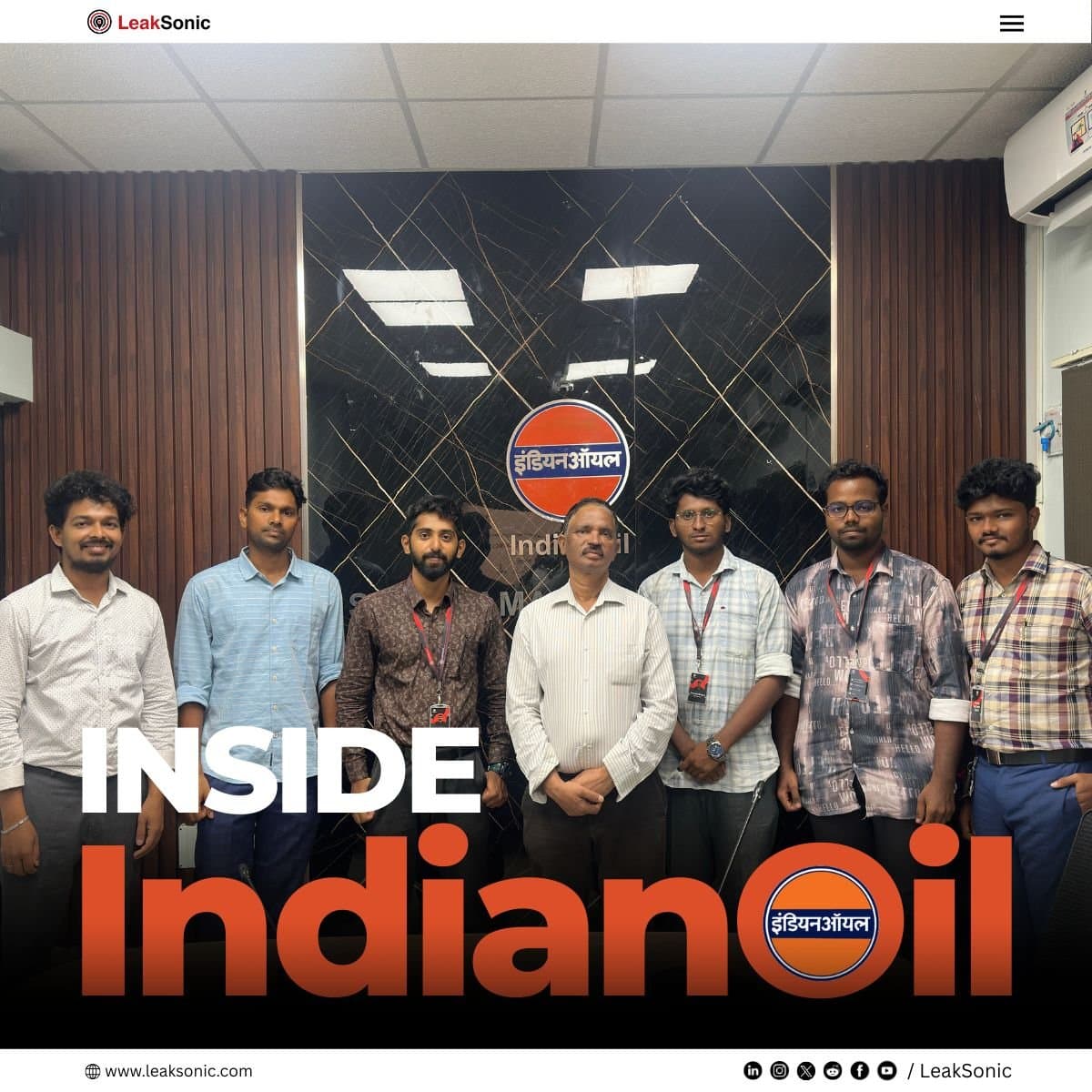
Inside Indian Oil: presenting Sentrix to IOCL Southern Regional Pipeline
LeakSonic's founding team met with Indian Oil Corporation's Southern Regional Pipeline (SRPL) division in Ramanathapuram to present Sentrix, our pipeline integrity intelligence platform - and came away with real engineering validation and a path toward field testing.
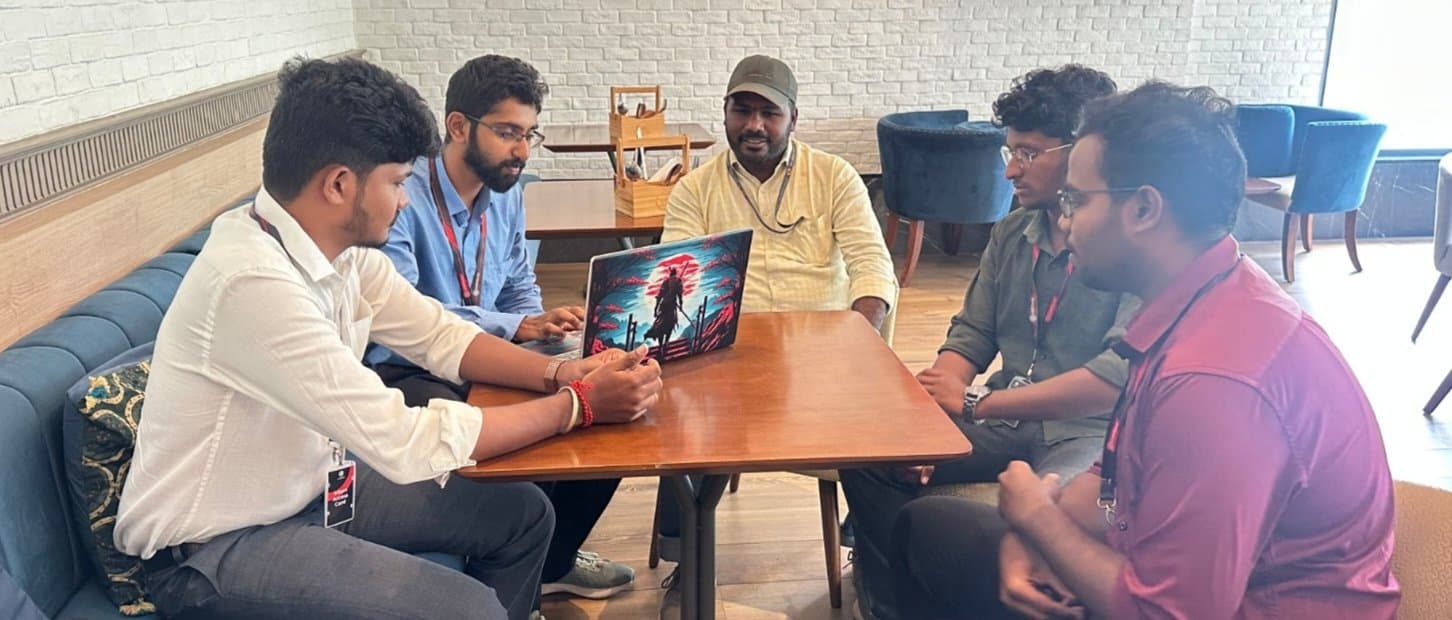
On-site with GAIL: learning pipeline construction at the L&T Bypass
LeakSonic's team visited an active pipeline construction site along the Larsen & Toubro Bypass project, learning directly from GAIL (India) Limited Senior Manager Ashwin Kumar A. about real-world pipeline construction, HDD drilling, and commissioning.
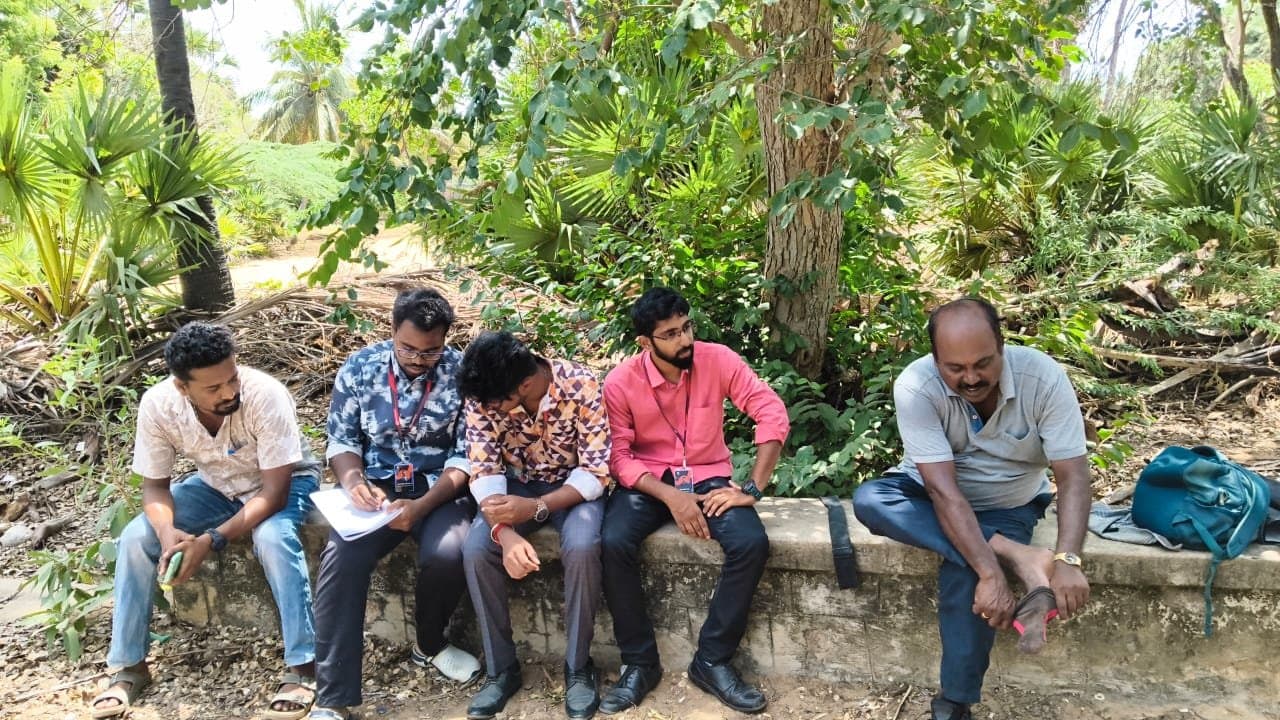
What a Line Security Man actually does on pipeline patrol
Understanding the vital, often-overlooked role of the Line Security Man (LSM) in keeping India's pipeline right-of-way corridors safe, monitored, and connected to local communities - learned firsthand during LeakSonic's field visit with Indian Oil Corporation.