
India's national oil and gas companies and their pipeline networks: ONGC, IndianOil, HPCL, BPCL, and GAIL
India's oil and gas pipeline infrastructure is operated by a small set of national companies with distinct roles - ONGC in upstream exploration and production, IndianOil, HPCL, and BPCL across refining and product pipelines, and GAIL as the country's principal gas transmission and distribution operator. Understanding this structure is essential context for any inspection or integrity technology company working in the Indian market.
India's oil and gas pipeline infrastructure is concentrated among a small number of large national operators, each occupying a distinct position in the value chain - understanding that structure is essential context for evaluating inspection technology needs across the Indian market specifically.
ONGC - upstream exploration and production
Oil and Natural Gas Corporation (ONGC) is India's largest upstream oil and gas company, operating exploration and production assets across onshore fields and significant offshore infrastructure, most notably in the Mumbai High region. ONGC's integrity and inspection needs span both surface pipeline infrastructure connecting wellheads and processing facilities, and the broader asset integrity challenges specific to offshore platforms and subsea infrastructure - a distinct problem category from the transmission and distribution pipeline networks operated further downstream.
IndianOil, HPCL, and BPCL - refining, product pipelines, and marketing
Indian Oil Corporation Limited (IndianOil), Hindustan Petroleum Corporation Limited (HPCL), and Bharat Petroleum Corporation Limited (BPCL) together operate the bulk of India's refining capacity and product pipeline network, moving refined petroleum products - petrol, diesel, LPG, aviation fuel - from refineries to distribution terminals and, ultimately, retail networks across the country. Their product pipeline infrastructure represents a substantial share of India's total pipeline length and carries its own integrity management requirements, distinct from gas transmission in terms of product characteristics, operating pressure, and risk profile.
GAIL - gas transmission and distribution
GAIL (India) Limited is India's principal natural gas transmission company, operating the major cross-country gas pipeline network that connects gas sources to city gas distribution networks, industrial consumers, and power generation facilities across the country. As gas infrastructure has expanded rapidly alongside the national push to increase natural gas's share of the energy mix, GAIL's pipeline network has grown correspondingly - and gas transmission carries specific integrity considerations (cathodic protection performance, methane-specific leak detection, right-of-way management across long cross-country corridors) that differ somewhat from liquid product pipeline integrity management.
The City Gas Distribution expansion layer
Beyond the major national operators' own transmission networks sits a rapidly expanding layer of City Gas Distribution (CGD) networks - local gas distribution infrastructure being built out across hundreds of authorised geographical areas nationwide, often operated by joint ventures or dedicated city gas companies rather than the national operators directly. This CGD layer is where much of India's near-term pipeline network growth is concentrated, and it introduces its own inspection and integrity challenges: newer infrastructure generally, but also rapidly expanding urban and semi-urban corridors where right-of-way encroachment risk is often elevated relative to established transmission corridors.
Regulatory structure: PNGRB
The Petroleum and Natural Gas Regulatory Board (PNGRB) is India's primary downstream oil and gas regulator, responsible for pipeline authorisation, safety oversight, and technical and reporting standards - including T4S provisions specifically relevant to pipeline integrity. PNGRB's framework shapes how Indian operators, across ONGC, IndianOil, HPCL, BPCL, GAIL, and the broader CGD ecosystem, structure their integrity management and inspection reporting, working alongside internationally referenced engineering standards such as API 1160 and ASME B31.8S.
Why this structure matters for inspection technology
Each of these operator categories - upstream ONGC infrastructure, downstream product pipelines, GAIL's gas transmission network, and the rapidly growing CGD layer - has a distinct risk profile, regulatory context, and operational scale, which means inspection and integrity technology built for one segment does not automatically transfer cleanly to another. A technology company working across the Indian oil and gas pipeline landscape needs to understand these distinctions specifically, not treat "Indian pipeline infrastructure" as a single undifferentiated market.
Related reading
This structural context connects directly to how City Gas Distribution expansion is reshaping inspection demand and to the startup and innovation schemes these national operators run to engage with technology companies working on exactly these problems.
Questions this raises
Last updated: 13 July 2026
LeakSonic Research. "India's national oil and gas companies and their pipeline networks: ONGC, IndianOil, HPCL, BPCL, and GAIL." LeakSonic Private Limited, 2026. https://leaksonic.com/blog/india-national-oil-companies-pipeline-networks
<a href="https://leaksonic.com/blog/india-national-oil-companies-pipeline-networks" target="_blank" rel="noopener">India's national oil and gas companies and their pipeline networks: ONGC, IndianOil, HPCL, BPCL, and GAIL</a> - via LeakSonic
Related reading
View all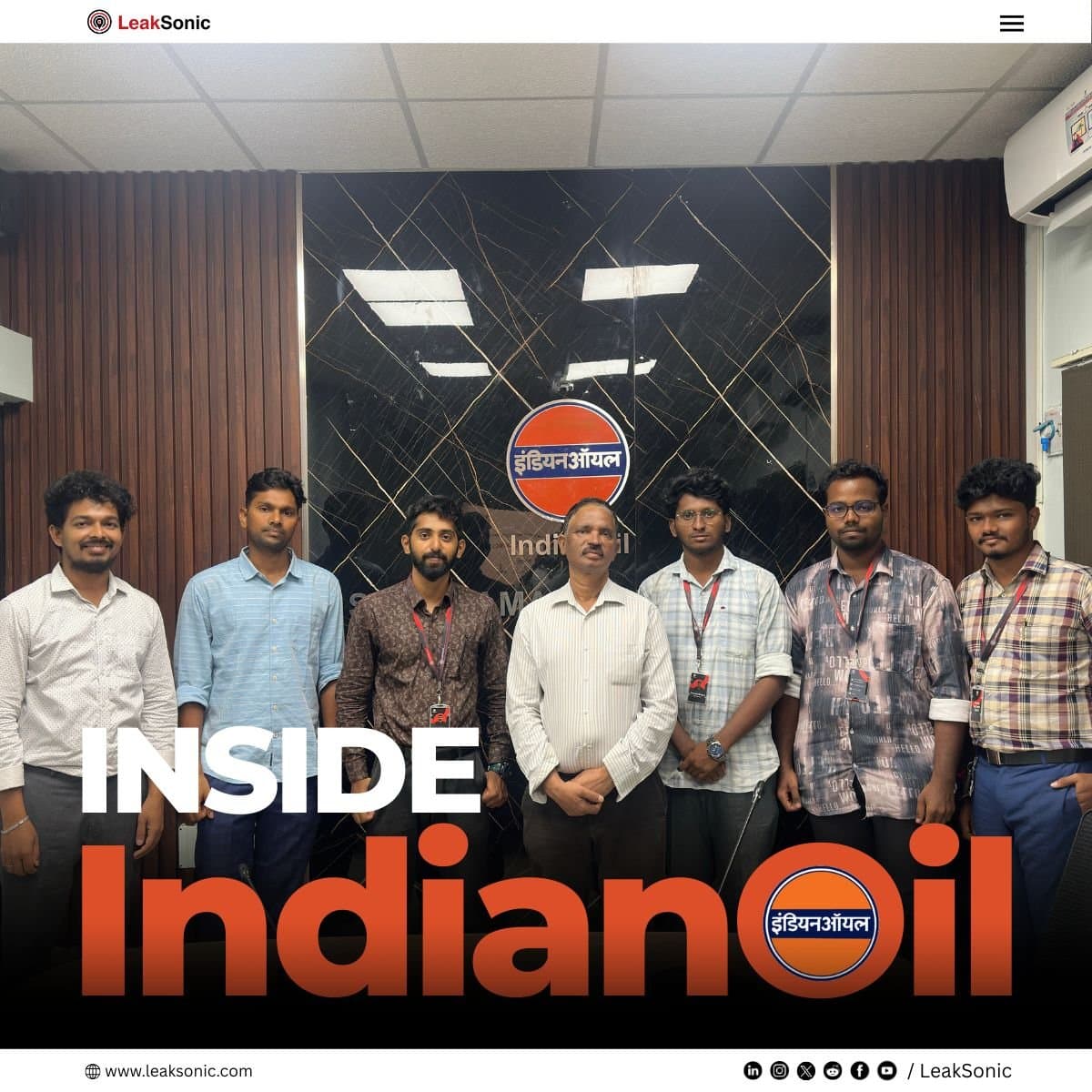
Inside Indian Oil: presenting Sentrix to IOCL Southern Regional Pipeline
LeakSonic's founding team met with Indian Oil Corporation's Southern Regional Pipeline (SRPL) division in Ramanathapuram to present Sentrix, our pipeline integrity intelligence platform - and came away with real engineering validation and a path toward field testing.
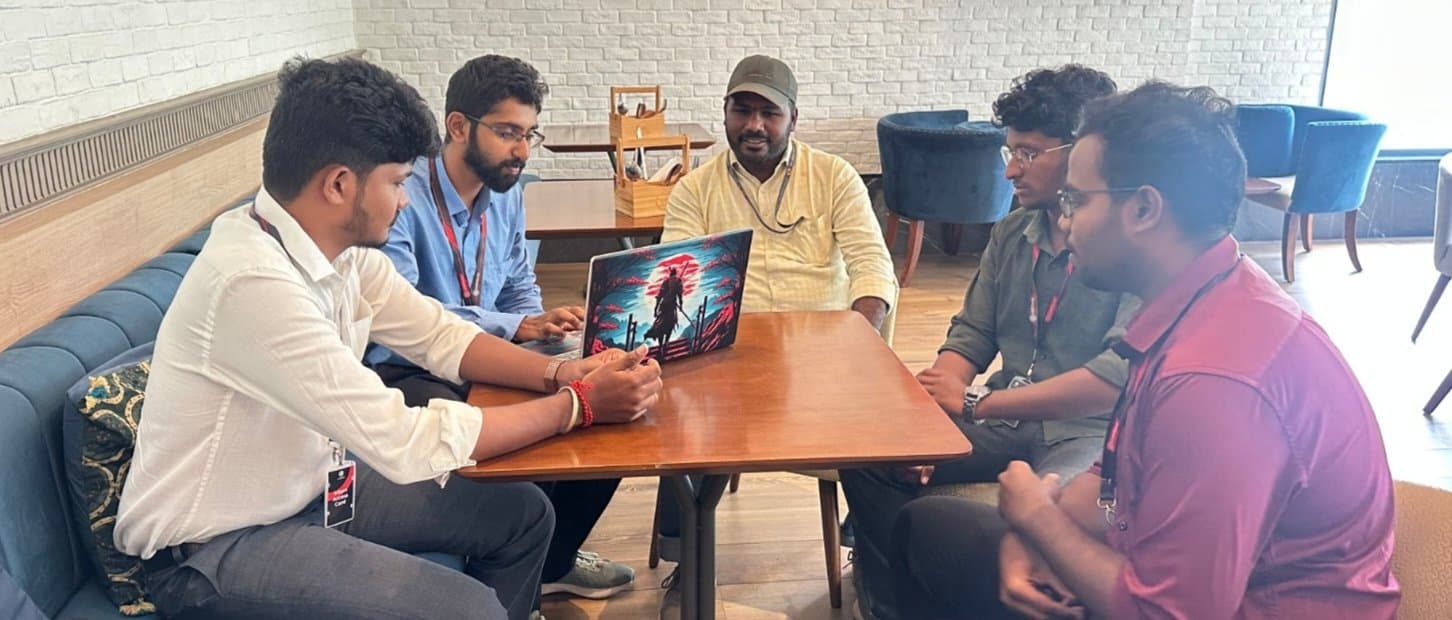
On-site with GAIL: learning pipeline construction at the L&T Bypass
LeakSonic's team visited an active pipeline construction site along the Larsen & Toubro Bypass project, learning directly from GAIL (India) Limited Senior Manager Ashwin Kumar A. about real-world pipeline construction, HDD drilling, and commissioning.
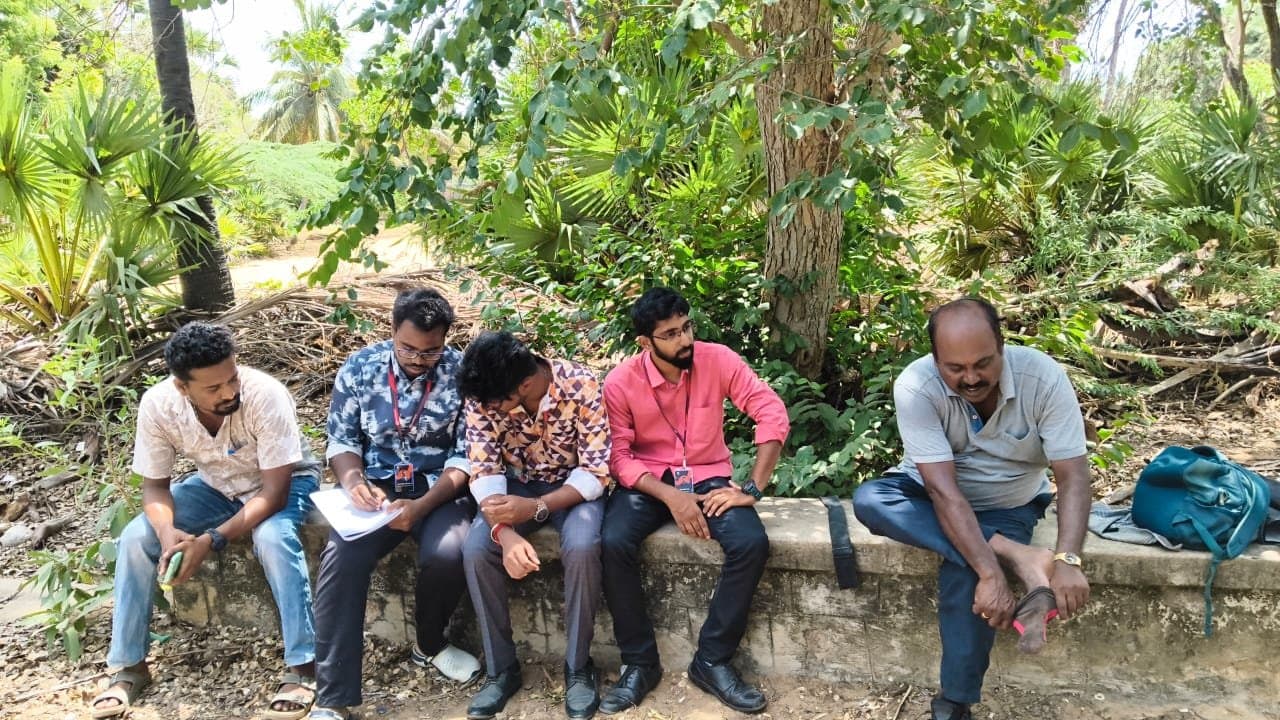
What a Line Security Man actually does on pipeline patrol
Understanding the vital, often-overlooked role of the Line Security Man (LSM) in keeping India's pipeline right-of-way corridors safe, monitored, and connected to local communities - learned firsthand during LeakSonic's field visit with Indian Oil Corporation.