
What a Line Security Man actually does on pipeline patrol
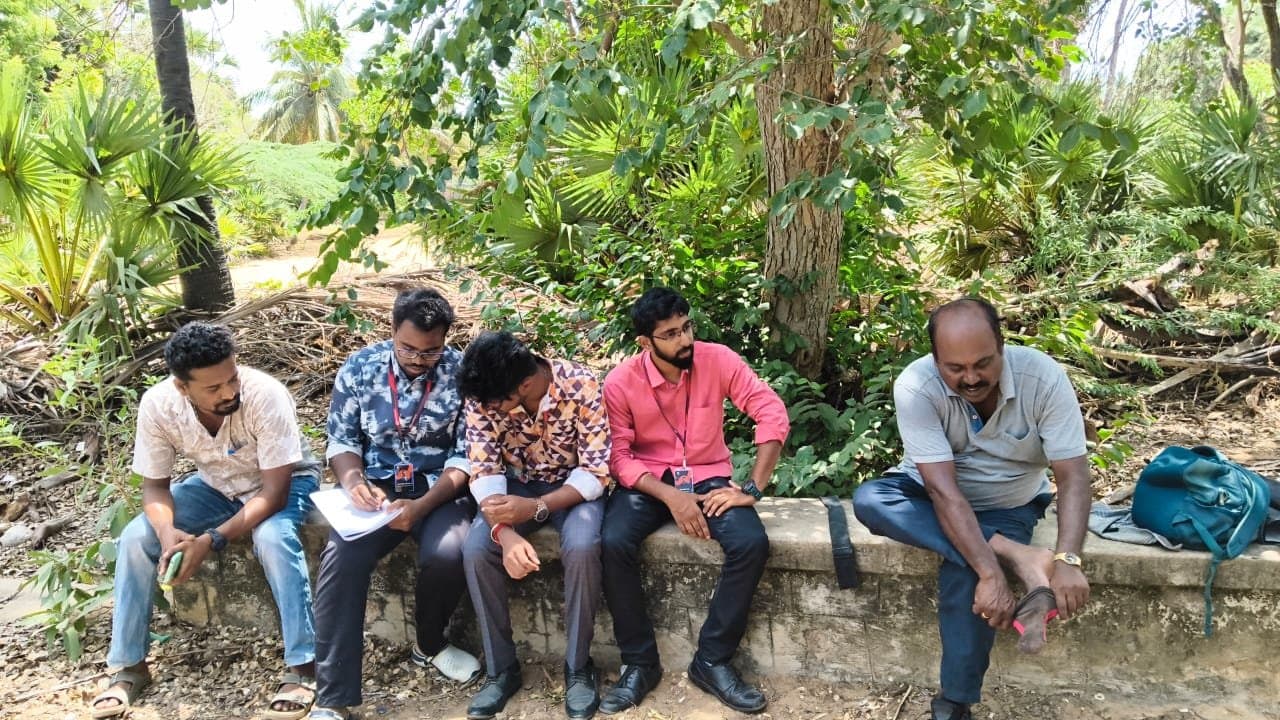
Understanding the vital, often-overlooked role of the Line Security Man (LSM) in keeping India's pipeline right-of-way corridors safe, monitored, and connected to local communities - learned firsthand during LeakSonic's field visit with Indian Oil Corporation.
In short
The Line Security Man (LSM) is the frontline human role responsible for daily pipeline right-of-way patrols in India - monitoring corridor conditions, watching for encroachment, and reporting observations through established field workflows. LeakSonic's team spent time learning directly from LSM field operations during a visit with Indian Oil Corporation near Ramanathapuram, gaining a much deeper appreciation for the people who keep critical infrastructure safe day to day.
Key takeaways
- Line Security Man (LSM) personnel conduct daily pipeline patrols, monitoring right-of-way conditions and reporting observations through established field workflows.
- LeakSonic's field visit focused on understanding real operational workflows, not just technology gaps - distinguishing assumed problems from actual field challenges.
- Technology built for this space must improve efficiency without disrupting proven, decades-old operational practices - a design principle directly shaping how Sentrix is built.
Learning the LSM role firsthand
Another important part of our learning journey with Indian Oil Corp Limited at Ramnad was understanding the role of the Line Security Man (LSM) and how pipeline patrolling works in the real world.
We traveled along pipeline routes, observed how field operations are carried out, and learned how LSMs perform daily patrols to ensure pipeline safety, monitor right-of-way conditions, identify potential threats, and report observations through established workflows. Seeing these operations firsthand gave us a much deeper appreciation for the people who keep critical infrastructure running safely every day.
Beyond the technology, we wanted to understand the entire workflow - how responsibilities are distributed, how information flows through the organization, how reports are submitted, and how existing systems have evolved over decades. These conversations helped us distinguish between the problems we assumed existed and the challenges that operators actually face in the field.
As students building Sentrix by LeakSonic, experiences like these are invaluable. Every field visit, every conversation, and every kilometer traveled helps us understand the industry's realities and identify opportunities where technology can genuinely improve efficiency without disrupting proven workflows.
Our sincere thanks to Indian Oil Corp Limited for giving us this opportunity to learn directly from field operations and helping us understand the complexities of pipeline integrity beyond the classroom.
Special thanks to the LeakSonic team for making this possible: Praveen Balaji S, Gershom Benni P, Tamil Selvan RD, Vishal Pranith, and Afeefa Nasnin A.
Why the human layer still matters
It would be easy, from outside the industry, to assume that satellite imagery, drones, and sensors have made human patrol obsolete. Spending time with LSM field operations makes clear why that assumption doesn't hold. A human patrol makes contextual judgement calls that automated systems aren't designed to make - noticing that a pile of soil near the corridor looks recent, that a conversation with a nearby landowner reveals plans that haven't shown up anywhere else yet, that something is subtly different from last week even though nothing measurable has technically changed.
Technology built for this space has to be additive to that judgement, not a replacement for it. That is the same design principle we saw reflected in the SV and IP station infrastructure during this trip: automated systems backed by human verification, never automated systems alone. It is a principle we are building into Sentrix directly - the platform is meant to make evidence easier for an LSM's reports and an engineer's judgement to work with, not to replace either.
Related reading
This visit was part of a broader multi-day field engagement across IOCL and GAIL infrastructure in Ramanathapuram - see our flagship visit and Sentrix presentation at IOCL's Southern Regional Pipeline division, our visit to an active GAIL pipeline construction site, what we learned about SV and IP stations, and how cathodic protection test lead points work. For more on the encroachment threats LSM patrols watch for, see right-of-way encroachment monitoring.
Questions this raises
Last updated: 2 August 2026
LeakSonic Research. "What a Line Security Man actually does on pipeline patrol." LeakSonic Private Limited, 2026. https://leaksonic.com/blog/line-security-man-pipeline-patrol-right-of-way
<a href="https://leaksonic.com/blog/line-security-man-pipeline-patrol-right-of-way" target="_blank" rel="noopener">What a Line Security Man actually does on pipeline patrol</a> - via LeakSonic
Related reading
View all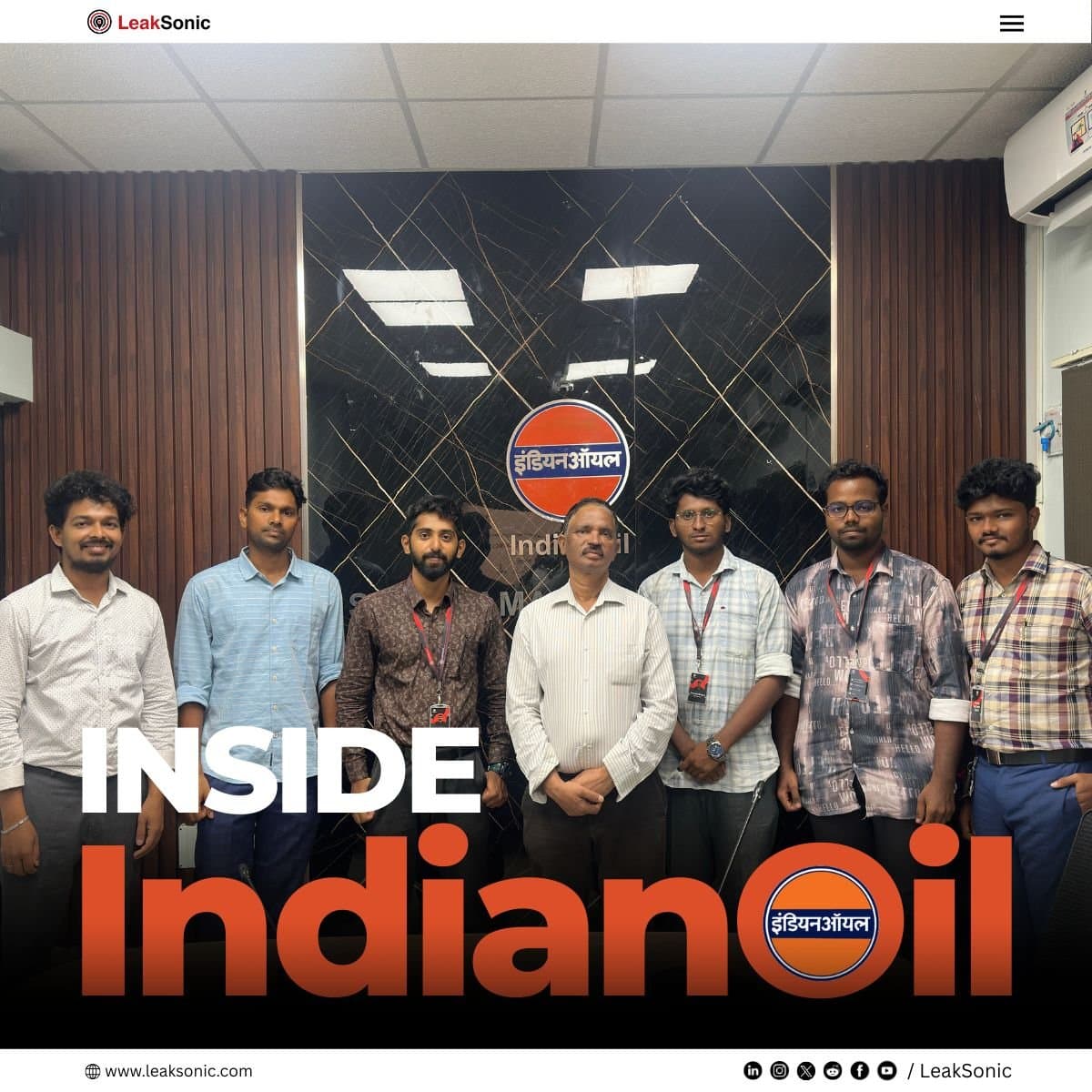
Inside Indian Oil: presenting Sentrix to IOCL Southern Regional Pipeline
LeakSonic's founding team met with Indian Oil Corporation's Southern Regional Pipeline (SRPL) division in Ramanathapuram to present Sentrix, our pipeline integrity intelligence platform - and came away with real engineering validation and a path toward field testing.
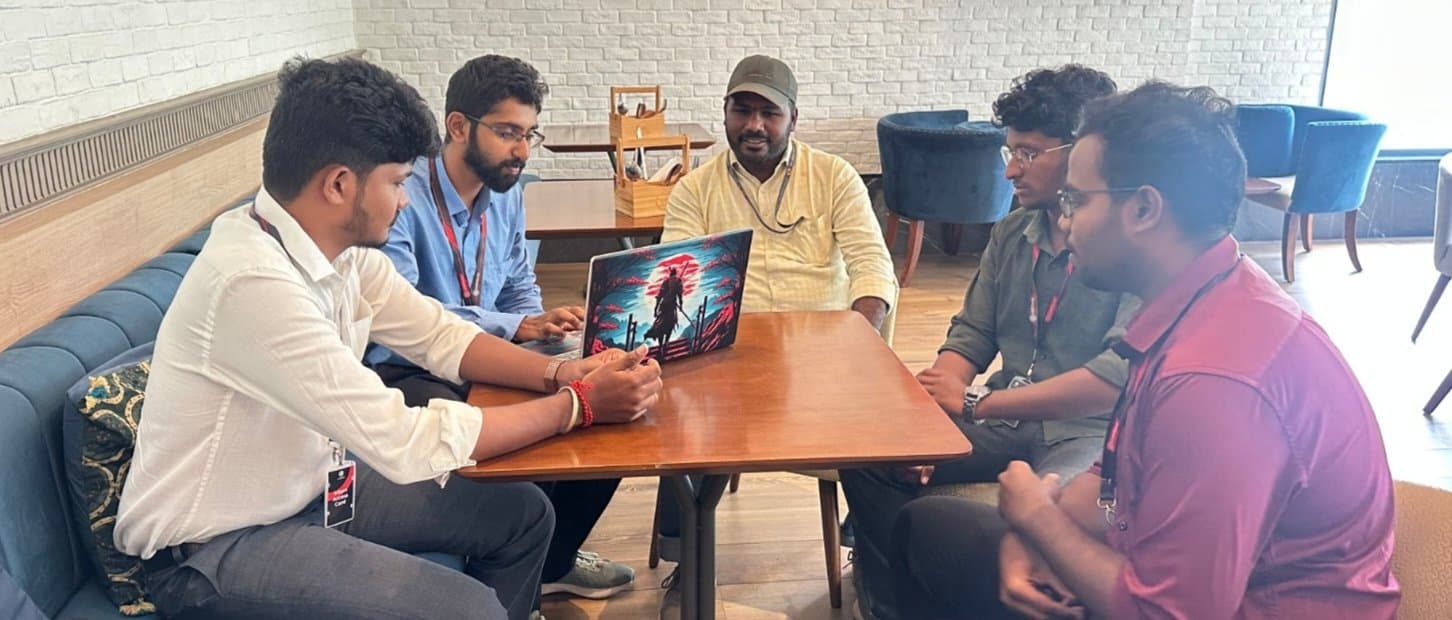
On-site with GAIL: learning pipeline construction at the L&T Bypass
LeakSonic's team visited an active pipeline construction site along the Larsen & Toubro Bypass project, learning directly from GAIL (India) Limited Senior Manager Ashwin Kumar A. about real-world pipeline construction, HDD drilling, and commissioning.
A founder's guide to deep-tech grant programs for energy infrastructure startups in India
Beyond the oil-and-gas-specific PSU programs, India runs a broader set of deep-tech and dual-use grant and incubation schemes - NIDHI-PRAYAS, iDEX, MSME innovative schemes, Smart India Hackathon, and DPIIT recognition under Startup India - that an energy-infrastructure hardware-and-software startup should know exist, even if not every one is the right fit at every stage.