
Where does your inspection programme sit on the path to measurement-based reporting?
The shift from estimated to measured methane reporting under frameworks like OGMP 2.0 is well underway, but most operators have no quick way to see where their own workflow currently sits on that path. We built a free five-question Integrity & Methane Reporting Readiness Assessment to give a directional answer in under two minutes.
Methane reporting is moving from estimated to measured, and most operators know it in the abstract. Fewer have a quick, honest way to see exactly where their own inspection and reporting workflow currently sits on that path - which parts are already close to measurement-based practice, and which parts are still leaning on manual review and rough estimation.
We built a free Integrity & Methane Reporting Readiness Assessment to answer that in about two minutes, with five direct questions.
The five things that actually predict readiness
Rather than asking about frameworks or certifications directly, the assessment asks about the workflow underneath them: how you decide what to inspect next, whether you compare each cycle systematically against the last, whether your emissions data leans estimated or measured, how long it takes to turn field evidence into a finished report, and how cleanly your records map to your regulatory reporting format.
Those five questions matter more than any framework name, because they are the operational reality that determines whether a measurement-based reporting claim is actually defensible - or just a label attached to an unchanged manual process.
Foundational, Developing, or Advanced
Your answers map to one of three bands. Foundational means your workflow still leans heavily on manual review and estimation - common, and not a criticism, just a starting point. Developing means some real structure exists but manual steps are still creating rework. Advanced means you already have systematic cycle comparison, measured data, and reporting-aligned records, and the marginal gains are in turnaround time and auditability rather than foundational structure.
What this tool is - and isn't
This is a directional self-assessment, not a formal OGMP 2.0 conformance audit. We say that plainly on the tool itself. Formal conformance is assessed through the framework's own defined process; this tool exists to give you a fast, honest read on where to focus before you invest in that formal process - or in any technology change at all.
Try the assessment yourself, and if your result raises questions about what closing the gap would actually take, talk to us - we'll be candid about what we can help with and what we can't.
Questions this raises
Last updated: 15 July 2026
LeakSonic Research. "Where does your inspection programme sit on the path to measurement-based reporting?." LeakSonic Private Limited, 2026. https://leaksonic.com/blog/methane-reporting-readiness-self-assessment
<a href="https://leaksonic.com/blog/methane-reporting-readiness-self-assessment" target="_blank" rel="noopener">Where does your inspection programme sit on the path to measurement-based reporting?</a> - via LeakSonic
Related reading
View all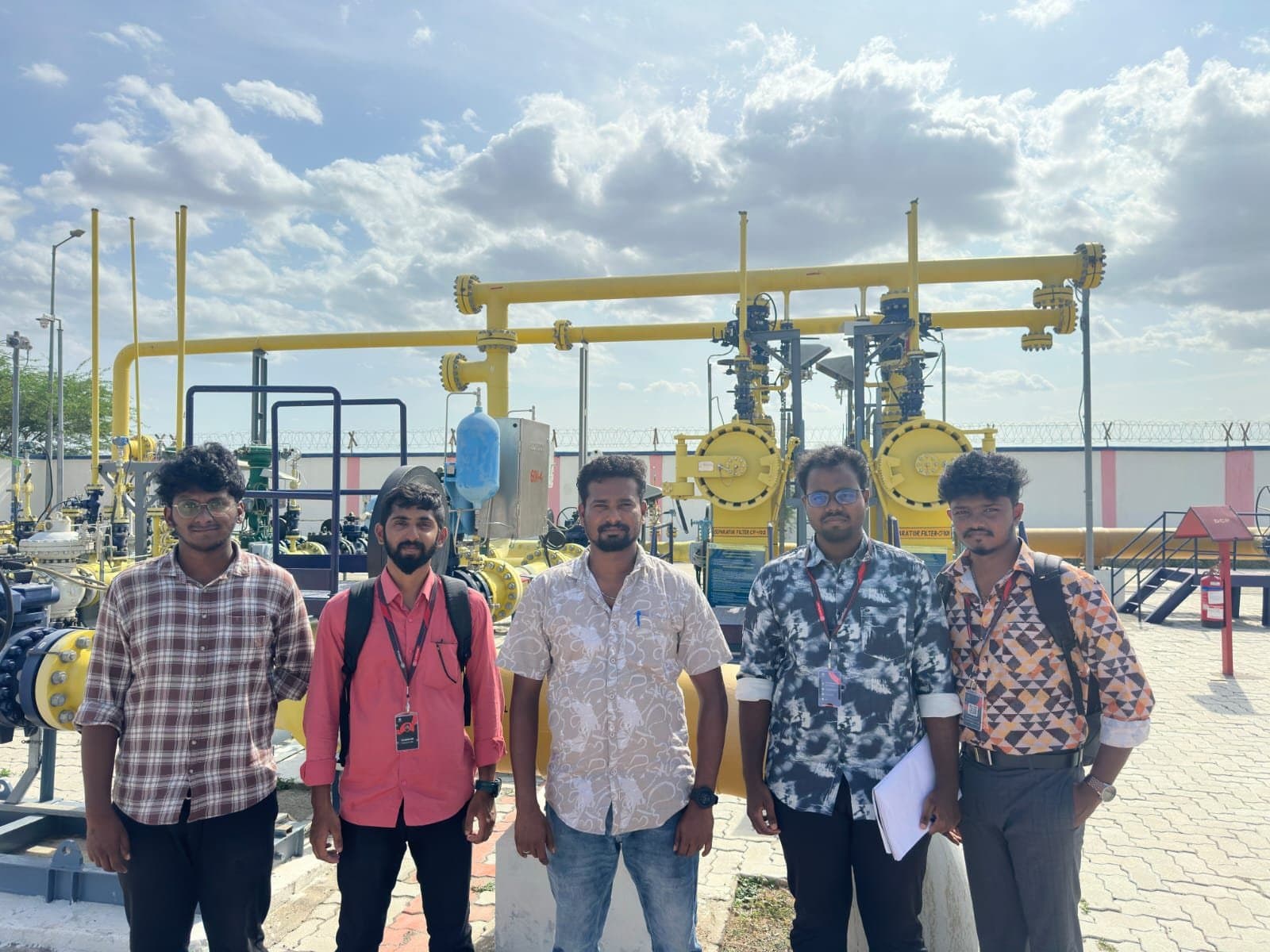
SV and IP stations: the pipeline infrastructure that keeps gas safe
Sectionalizing Valve (SV) stations and Intermediate Pressure Regulation (IP) stations are the unsung infrastructure that keeps gas pipeline networks safe, balanced, and running - seen firsthand during LeakSonic's field visit with Indian Oil Corporation.
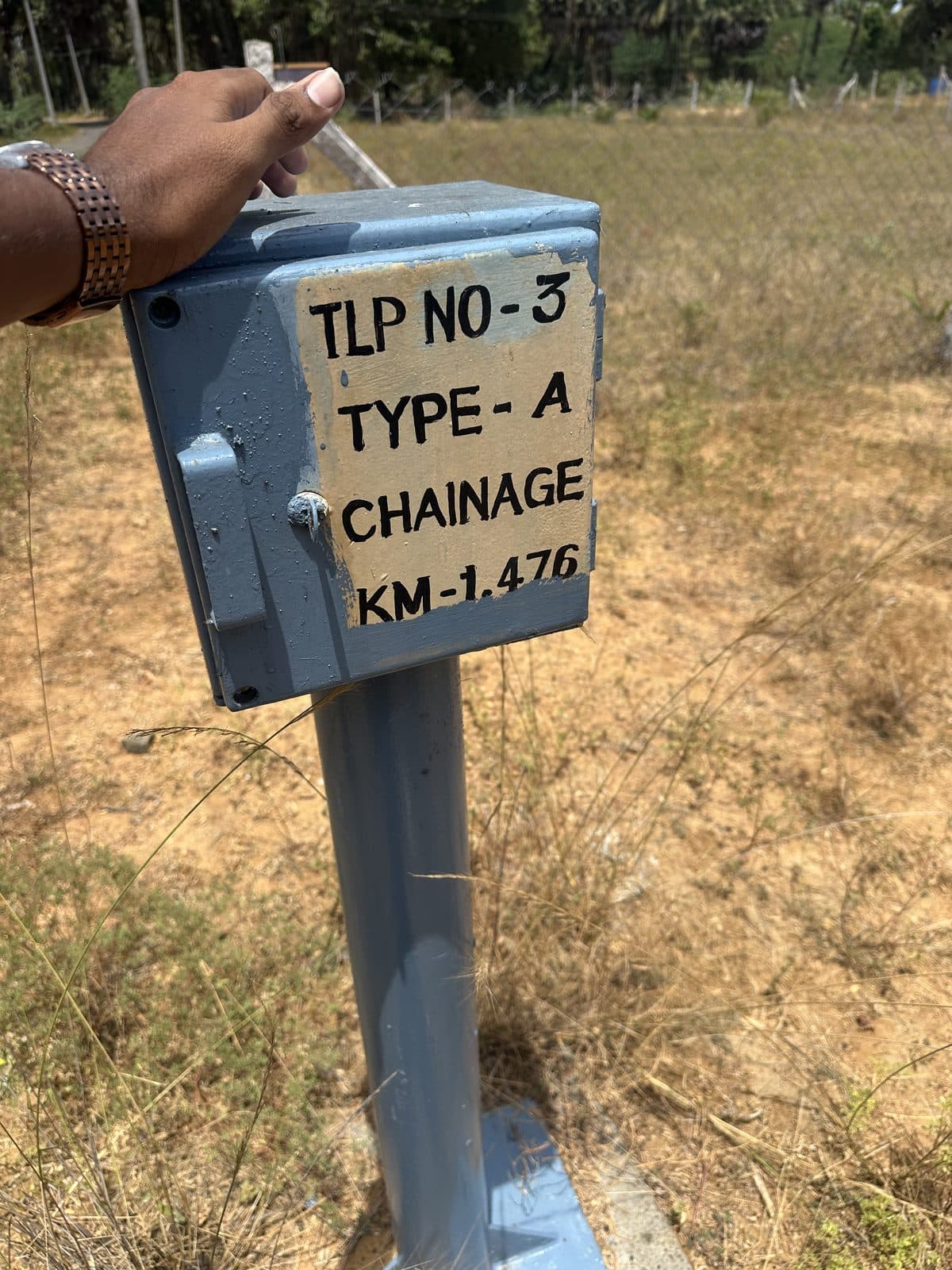
What are cathodic protection test lead points, and why they matter
What are cathodic protection test lead points, and why do they matter? A look at how underground pipelines are protected from corrosion - and monitored - decades after they are buried, seen firsthand during LeakSonic's field visit with Indian Oil Corporation.
Gas leak detection methods: a complete overview from handheld sniffers to satellites
Gas leak detection spans a spectrum of methods that trade off sensitivity, coverage, and cost: handheld and vehicle-mounted surveys detect small leaks precisely but cover ground slowly; fixed sensors watch one point continuously; aerial methods screen long corridors quickly at moderate sensitivity; and satellites cover everything but only see large emitters. No single method wins on all three axes - which is why serious leak detection programs are built as layered systems, with each layer directing the next.