
Gas leak detection methods: a complete overview from handheld sniffers to satellites
Gas leak detection spans a spectrum of methods that trade off sensitivity, coverage, and cost: handheld and vehicle-mounted surveys detect small leaks precisely but cover ground slowly; fixed sensors watch one point continuously; aerial methods screen long corridors quickly at moderate sensitivity; and satellites cover everything but only see large emitters. No single method wins on all three axes - which is why serious leak detection programs are built as layered systems, with each layer directing the next.
Ask how gas leaks are detected and you will get a different answer from a distribution technician, a transmission integrity engineer, and an emissions analyst - because gas leak detection is not one method but a spectrum, and every point on it trades sensitivity against coverage against cost.
The ground layer: handheld and walking surveys
The oldest instrumented layer is a person with a detector walking the line or checking fittings: flame ionisation detectors, laser-based handheld units, and soap-bubble testing at joints. Walking surveys detect very small leaks and localise them to the fitting - unmatched precision - but coverage is measured in single-digit kilometres per day, which is why this layer is reserved for confirmation, high-consequence areas, and the periodic surveys regulation requires. Beneath even this layer sits odorisation: the mercaptan smell added to gas makes every member of the public a passive detector, and smell reports remain a genuinely important detection channel in distribution networks.
The mobile layer: vehicle-mounted surveys
Vehicle-mounted laser absorption systems sample air continuously while driving, detecting plumes that drift across roads from nearby leaks. Coverage jumps to tens of kilometres per day at good sensitivity, making mobile survey the workhorse of urban distribution leak programs - but it only finds what the wind carries to a drivable road, and localisation from a moving plume detection back to a specific fitting still requires ground follow-up.
The fixed layer: continuous point sensors
Compressor stations, city-gate stations, and plants use fixed gas detectors that watch one location continuously - the inverse trade-off of every survey method. Sensitivity and response time at that point are excellent; coverage is only that point. Fixed sensing anchors facility safety systems but cannot economically extend along hundreds of kilometres of buried linear asset.
The aerial layer: drones and aircraft
Aircraft- and drone-mounted sensing - optical gas imaging and laser absorption instruments looking down along a corridor - occupies the middle of the trade-off deliberately: kilometres of pipeline screened per hour at sensitivity adequate to catch meaningful leaks, feeding precise ground methods only where a signal warrants it. This is the layer that changed the economics of transmission-corridor leak screening, for the reasons covered in our comparison of TDLAS, thermal, and satellite methane detection and in how drones transformed oil and gas operations more broadly.
The orbital layer: satellites
Satellite methane instruments cover everything, everywhere, on a revisit schedule - and see only the largest emitters, at kilometre-scale localisation. Their role in an operator's program is watchdog and prioritiser: a satellite detection over your corridor is a strong signal that something warrants aerial or ground follow-up, not a finding you can excavate against. The layer's value is that it never sleeps and costs the operator almost nothing to consume.
Why layering, and what layering demands
No method wins on sensitivity, coverage, and cost simultaneously, so serious programs are built as handoff chains: satellite and aerial screening find candidates cheaply and often; mobile and walking methods confirm, localise, and quantify precisely. The under-appreciated requirement is what the chain produces as a side effect - detections from four different methods, in four different formats, at four different confidence levels, all describing the same network. Keeping that evidence organised, comparable across cycles, and prioritised into a single defensible worklist is the quiet, unglamorous problem that determines whether the layered system actually works - the same evidence-comparison problem that runs through every inspection domain, and the reason quantification-capable, evidence-linked findings matter under measurement-based reporting.
Related reading
For the airborne technologies in depth, see TDLAS vs. thermal vs. satellite methane detection; for why finding leaks faster pays for itself, see the economics of methane leak detection.
Questions this raises
Last updated: 13 July 2026
LeakSonic Research. "Gas leak detection methods: a complete overview from handheld sniffers to satellites." LeakSonic Private Limited, 2026. https://leaksonic.com/blog/gas-leak-detection-methods-complete-overview
<a href="https://leaksonic.com/blog/gas-leak-detection-methods-complete-overview" target="_blank" rel="noopener">Gas leak detection methods: a complete overview from handheld sniffers to satellites</a> - via LeakSonic
Related reading
View all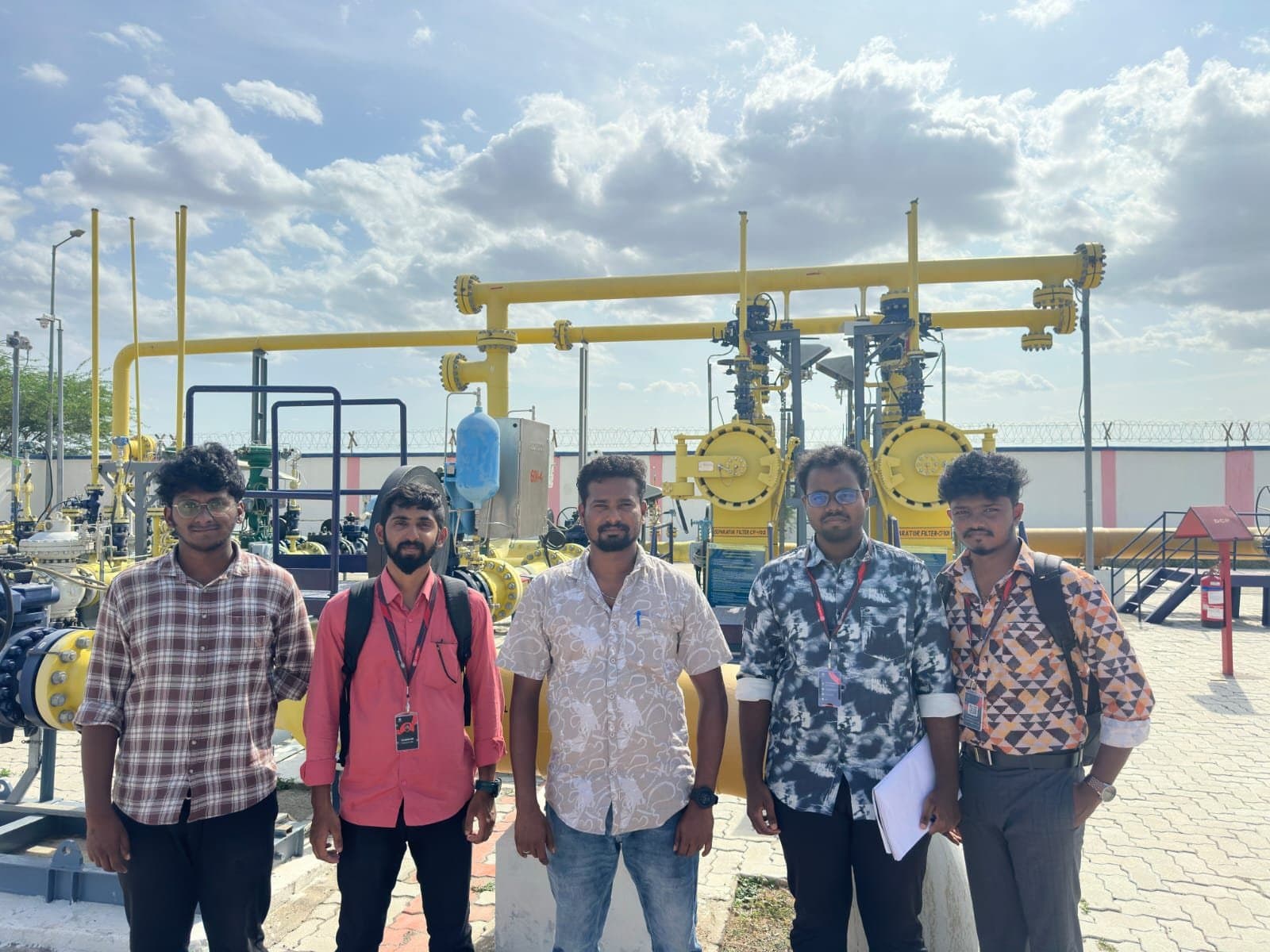
SV and IP stations: the pipeline infrastructure that keeps gas safe
Sectionalizing Valve (SV) stations and Intermediate Pressure Regulation (IP) stations are the unsung infrastructure that keeps gas pipeline networks safe, balanced, and running - seen firsthand during LeakSonic's field visit with Indian Oil Corporation.
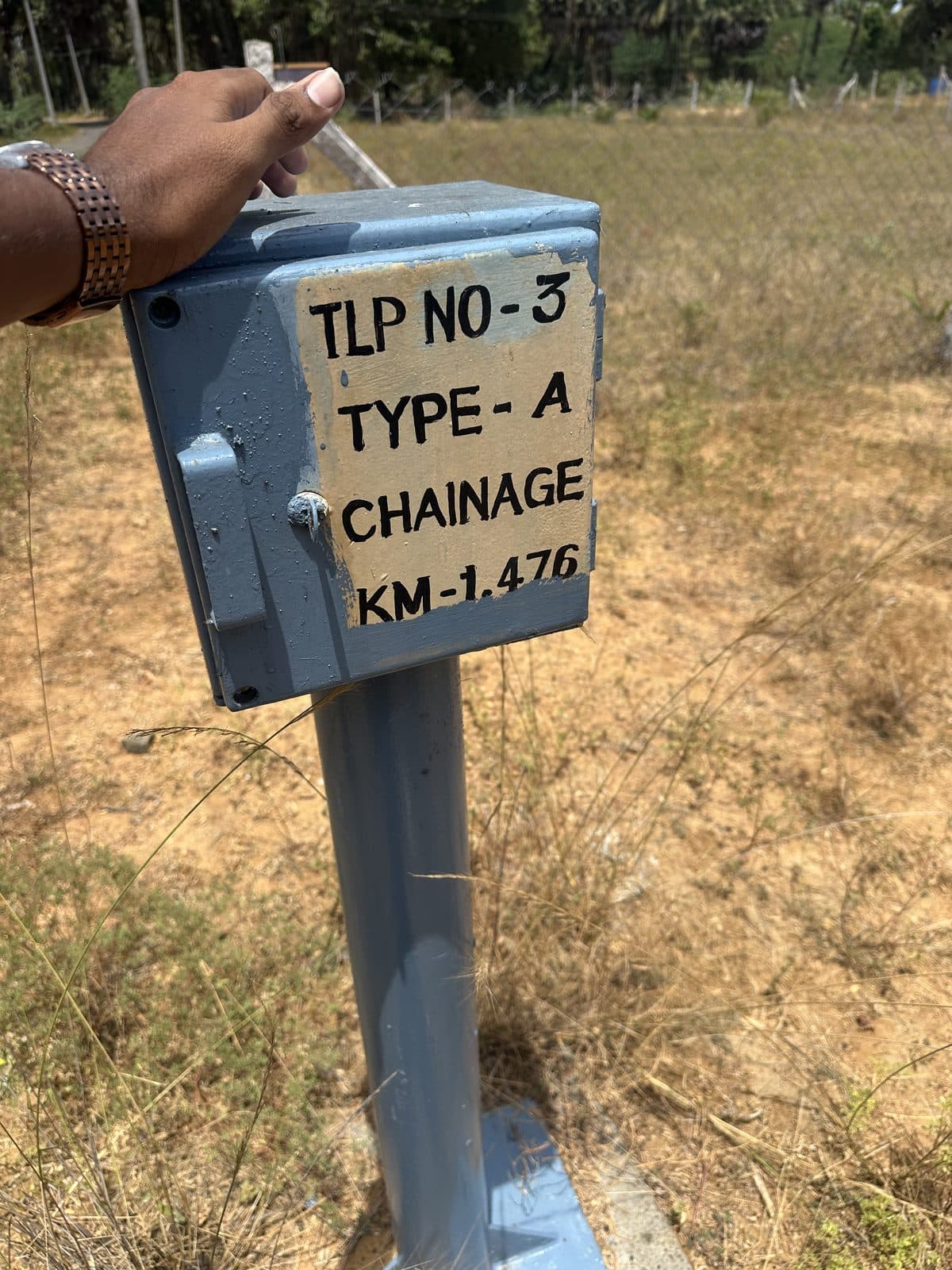
What are cathodic protection test lead points, and why they matter
What are cathodic protection test lead points, and why do they matter? A look at how underground pipelines are protected from corrosion - and monitored - decades after they are buried, seen firsthand during LeakSonic's field visit with Indian Oil Corporation.
Where does your inspection programme sit on the path to measurement-based reporting?
The shift from estimated to measured methane reporting under frameworks like OGMP 2.0 is well underway, but most operators have no quick way to see where their own workflow currently sits on that path. We built a free five-question Integrity & Methane Reporting Readiness Assessment to give a directional answer in under two minutes.