
Pipeline pigging explained: what pigs are, why the name, and what each type does
A pipeline pig is a device inserted into a pipeline and pushed along by the product flow itself, performing work as it travels - cleaning debris, separating product batches, removing liquids, or, in the case of instrumented "smart" pigs, measuring the pipe wall from the inside. Pigging is one of the oldest and most economical pipeline maintenance techniques precisely because the pipeline provides the propulsion: the product already flowing through the line carries the tool.
Pipeline pigging is one of those industry terms that sounds like a joke until you learn it describes one of the oldest, most economical, and most important pipeline maintenance techniques in existence: putting a device inside the line and letting the product flow itself push it from one end to the other, doing useful work the whole way.
The principle: the pipeline provides the propulsion
A pig is inserted into the line through a launcher, forms a moving seal against the pipe wall with flexible cups or discs, and is pushed along by the pressure differential of product flowing behind it - travelling at roughly the speed of the flow, for tens or hundreds of kilometres, with no motor, no cable, and no external power. That is the entire economic magic of pigging: the energy moving the product moves the tool, so the marginal cost of running a pig through an operating line is remarkably low.
Utility pigs: the workhorses
Most pigging is not inspection - it is maintenance. Cleaning pigs carry brushes, scrapers, or urethane discs that strip wax, scale, sand, and debris off the wall and push it to the receiver. Batching pigs form moving seals that separate different products sharing one line - diesel behind petrol behind jet fuel in a products pipeline - keeping interface mixing to a minimum. Dewatering and drying pigs push water out of a line after hydrostatic testing or commissioning. Gauging pigs carry a soft aluminium plate sized just under the bore: if the plate arrives dented, something in the line - a dent, a partially closed valve, an ovality - is intruding into the bore, and the line is not yet safe for an expensive instrumented tool.
Smart pigs: inspection from the inside
Instrumented pigs - inline inspection (ILI) tools - carry magnetic flux leakage or ultrasonic sensor arrays that measure the pipe wall as they pass, producing the most precise internal-condition data available for a pipeline: metal loss, cracking, dents, each sized and located. We cover what these tools can and cannot see, and how they compare with surface methods, in inline inspection versus aerial and surface inspection. The operational point worth repeating here: smart pig runs are always preceded by cleaning runs, because sensors measuring through wax and debris produce data an integrity engineer cannot defend.
Why cleaning is itself an integrity activity
Deposits are not just a flow problem. Standing water, sediment, and wax create sheltered under-deposit environments where internal corrosion initiates and where the biofilms behind microbiologically influenced corrosion establish and persist. A disciplined cleaning-pigging cadence physically removes those environments on a schedule - one of the few integrity threats an operator can address with maintenance rather than monitoring, which is why cleaning frequency features in risk-based inspection planning alongside the inspection methods themselves.
The limits: unpiggable lines
Pigging requires infrastructure and geometry the pig can survive: traps at both ends, compatible diameters, bend radii the tool can turn. A meaningful fraction of the world's pipelines - older lines, short laterals, complex station piping, and most polyethylene distribution networks - fail one of those tests and are effectively unpiggable, which removes the most precise inspection method from the toolbox entirely. Those segments lean on direct assessment, cathodic protection data, and surface observation instead - the structural data gap discussed in pipeline data blind spots, and one of the reasons surface and aerial evidence carries more integrity weight on some networks than others.
Related reading
For the inspection side of pigging in depth, see inline inspection vs. aerial and surface inspection; for what happens on the lines pigs cannot reach, see pipeline coating inspection methods.
Questions this raises
Last updated: 13 July 2026
LeakSonic Research. "Pipeline pigging explained: what pigs are, why the name, and what each type does." LeakSonic Private Limited, 2026. https://leaksonic.com/blog/pipeline-pigging-explained
<a href="https://leaksonic.com/blog/pipeline-pigging-explained" target="_blank" rel="noopener">Pipeline pigging explained: what pigs are, why the name, and what each type does</a> - via LeakSonic
Related reading
View all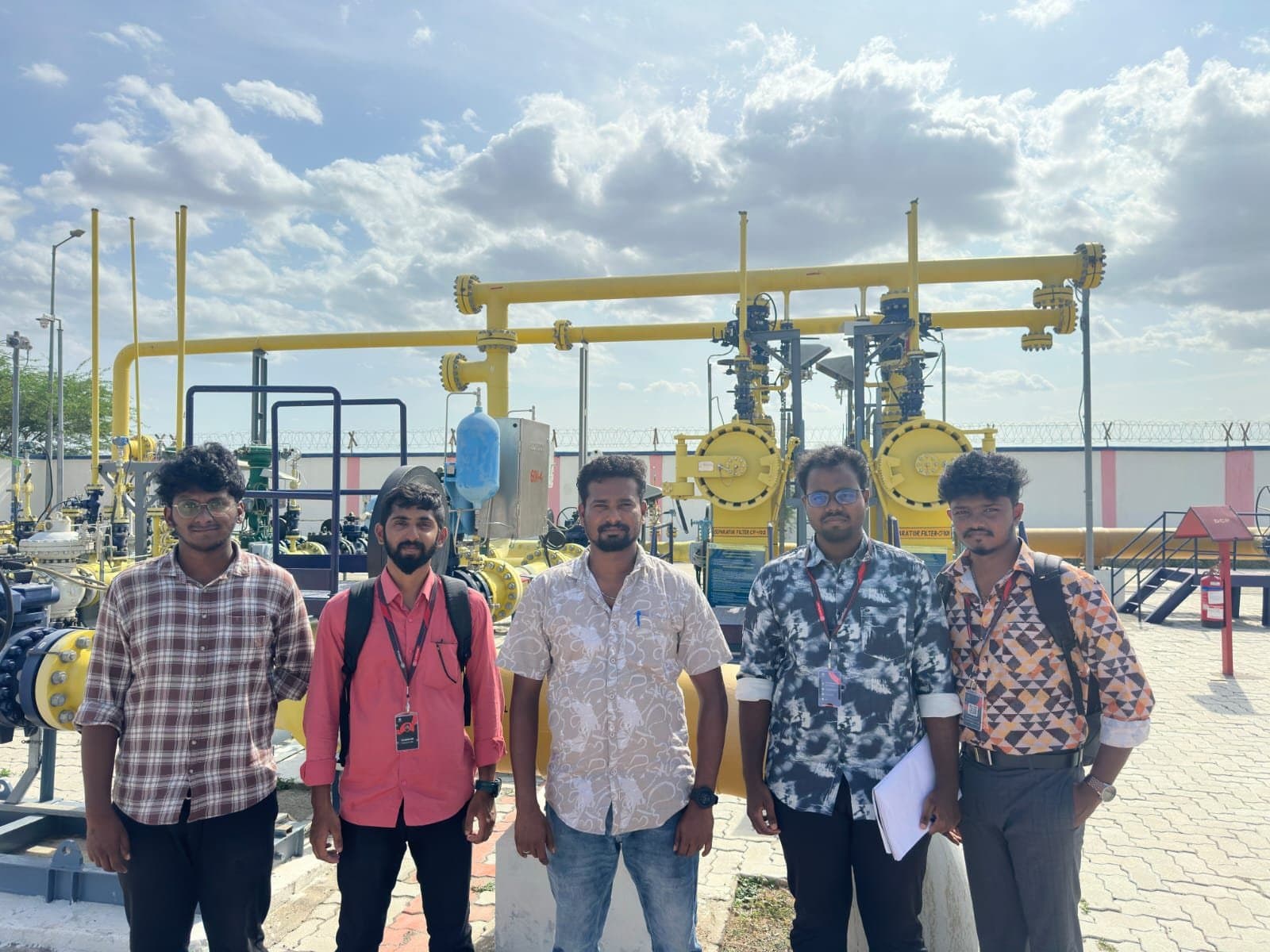
SV and IP stations: the pipeline infrastructure that keeps gas safe
Sectionalizing Valve (SV) stations and Intermediate Pressure Regulation (IP) stations are the unsung infrastructure that keeps gas pipeline networks safe, balanced, and running - seen firsthand during LeakSonic's field visit with Indian Oil Corporation.
What are cathodic protection test lead points, and why they matter
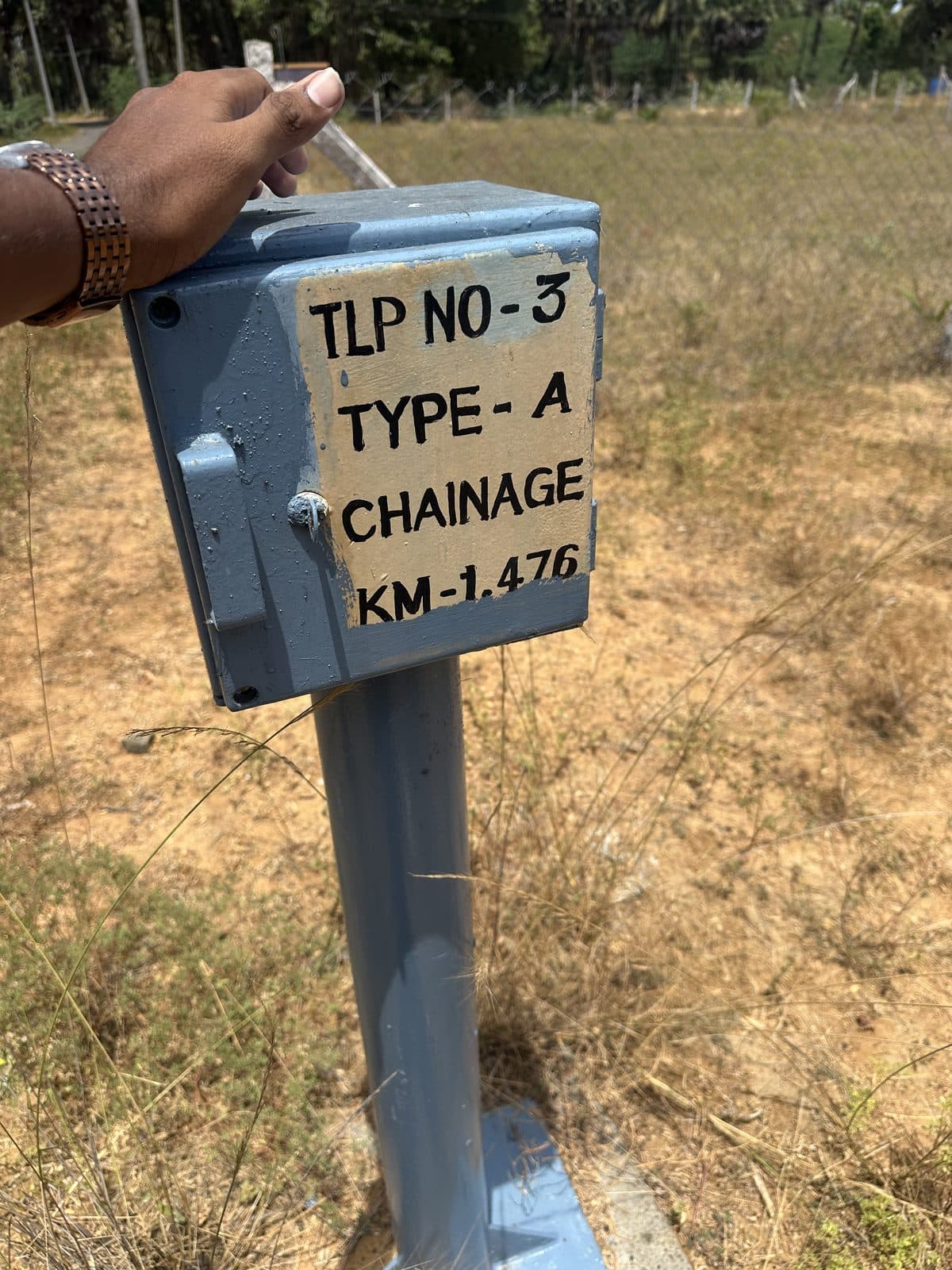
What are cathodic protection test lead points, and why do they matter? A look at how underground pipelines are protected from corrosion - and monitored - decades after they are buried, seen firsthand during LeakSonic's field visit with Indian Oil Corporation.
Where does your inspection programme sit on the path to measurement-based reporting?
The shift from estimated to measured methane reporting under frameworks like OGMP 2.0 is well underway, but most operators have no quick way to see where their own workflow currently sits on that path. We built a free five-question Integrity & Methane Reporting Readiness Assessment to give a directional answer in under two minutes.