
What "audit-ready" pipeline data actually means under PNGRB, OGMP 2.0, and emerging standards
Audit-ready pipeline data means a finding that a regulator or an internal auditor can trace back to its underlying evidence - what was measured, when, by what method, and against what baseline - not just a conclusion asserted without support. As regulatory frameworks from PNGRB to OGMP 2.0 push operators from periodic, judgement-based reporting toward measurement-based, evidenced reporting, the bar for what counts as audit-ready data is rising in the same direction almost everywhere at once.
Audit-ready pipeline data means a finding that a regulator or an internal auditor can trace back to its underlying evidence - what was measured, when, by what method, and against what baseline - not just a conclusion asserted without support. As regulatory frameworks from India's PNGRB to the UN's OGMP 2.0 push operators from periodic, judgement-based reporting toward measurement-based, evidenced reporting, the bar for what counts as audit-ready data is rising in roughly the same direction almost everywhere at once - even though the specific legal mechanisms driving that shift differ sharply by jurisdiction.
The core property: traceability, not just accuracy
An audit-ready finding is one where a reviewer can ask "how do you know that?" and receive a specific, checkable answer - not a general assurance. That means every reported anomaly, risk score, or compliance statement should be traceable back to: the specific sensor reading or survey result that produced it, the date and location it was taken, the method used, and, where relevant, what it is being compared against (a prior inspection cycle, a regulatory threshold, an engineering standard). A report that states a conclusion without that supporting chain may still be accurate, but it is not verifiable by anyone other than the person who produced it - which is precisely what an audit exists to test.
Why the direction of regulation is the same even where the mechanism differs
India's PNGRB sets technical and safety standards for gas pipeline integrity management, including inspection and reporting requirements, but does so through infrastructure-safety regulation rather than a carbon or methane pricing mechanism. OGMP 2.0 is a voluntary, internationally convened framework that ranks reporting maturity on a tiered scale from generic estimates up to fully measured, source-level data. The EU's binding methane regulation and the US EPA's methane fee create yet different legal mechanisms again. Despite these differences in legal form, every one of these frameworks is pulling in the same direction: away from generic, estimate-based assertions and toward specific, measured, traceable evidence. An operator building toward audit-readiness under any one of these frameworks is, in practice, building most of the way toward audit-readiness under the others too.
Why estimate-based reporting keeps failing audits
The recurring problem with estimate-based reporting - calculating expected emissions or risk from generic industry-average factors rather than direct measurement - is that it systematically misses the events that matter most: large, intermittent releases from abnormal operation, equipment failure, or an unrecognised protection gap. Multiple independent studies, including satellite measurement campaigns, have repeatedly found real-world emissions running well above what estimate-based calculations predicted. An estimate can be defensible as a methodology while still being wrong about a specific, real event on a specific date - and audits increasingly test for exactly that gap between the calculated estimate and the measured reality.
What this means operationally
Getting to audit-ready data is less about adopting any single new technology and more about a structural discipline: every reported finding needs a preserved link back to its source evidence, every comparison needs a clearly stated baseline, and every measurement needs a documented method and timestamp. This is a data-architecture problem as much as a field-technology one - an operator with excellent sensors but no systematic way of preserving the evidence trail behind each finding will still struggle in an audit, while an operator with more modest sensing but disciplined evidence-chaining will hold up better under scrutiny.
Where this fits into what we're building
Compliance-native, audit-ready output is a first-class design requirement for Sentrix, not something layered on afterward - every finding the platform surfaces is built to carry its supporting evidence forward, specifically because we think the industry-wide shift toward measured, traceable reporting is structural and permanent rather than a passing regulatory phase. We are actively developing this capability and refining it through direct conversations with the operators, regulators, and researchers we work with, and we would welcome hearing from any integrity team thinking through what audit-readiness looks like for their own network - reach us through our contact page.
Questions this raises
Last updated: 8 July 2026
LeakSonic Research. "What "audit-ready" pipeline data actually means under PNGRB, OGMP 2.0, and emerging standards." LeakSonic Private Limited, 2026. https://leaksonic.com/blog/audit-ready-pipeline-data-standards
<a href="https://leaksonic.com/blog/audit-ready-pipeline-data-standards" target="_blank" rel="noopener">What "audit-ready" pipeline data actually means under PNGRB, OGMP 2.0, and emerging standards</a> - via LeakSonic
Related reading
View all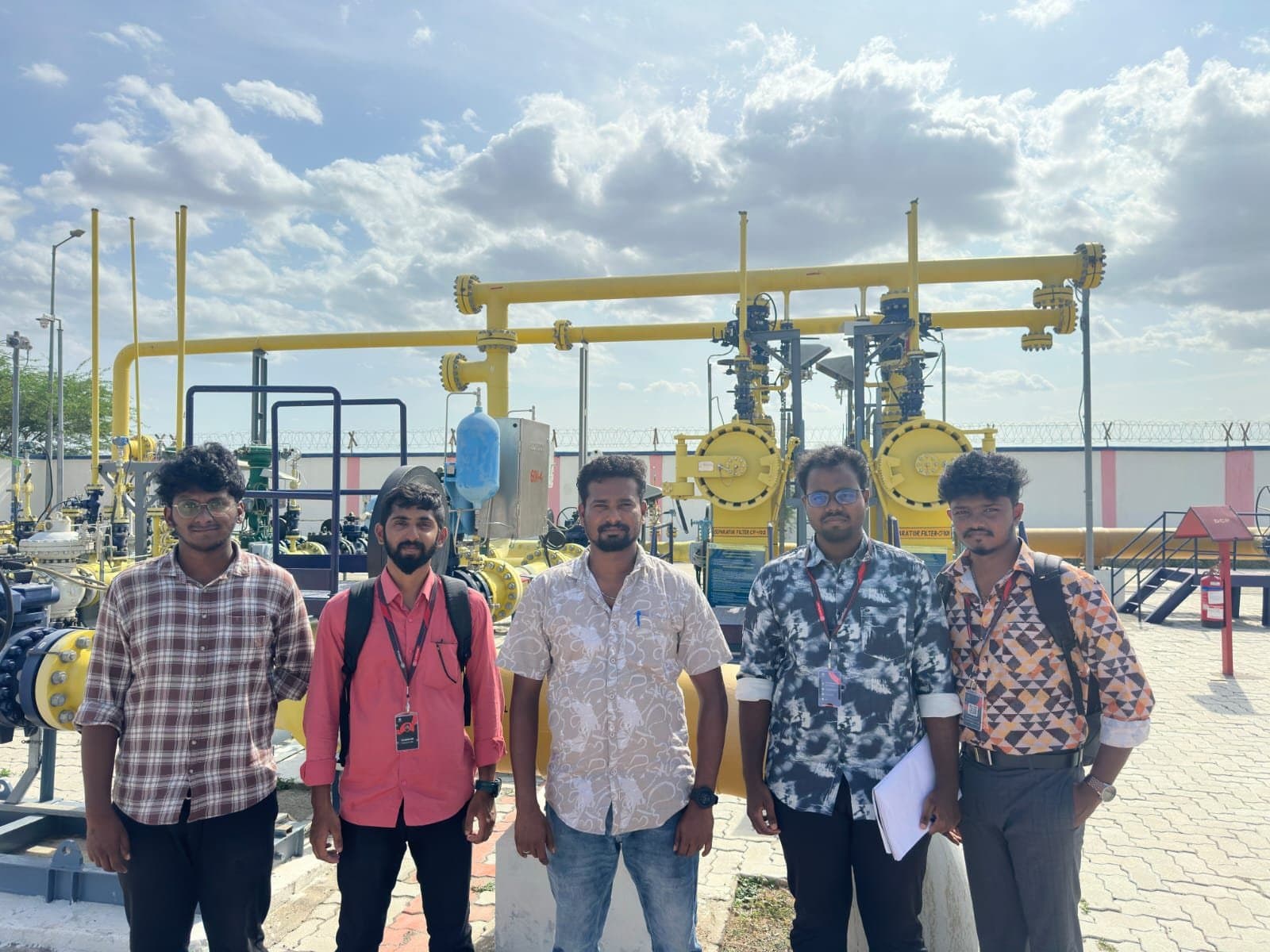
SV and IP stations: the pipeline infrastructure that keeps gas safe
Sectionalizing Valve (SV) stations and Intermediate Pressure Regulation (IP) stations are the unsung infrastructure that keeps gas pipeline networks safe, balanced, and running - seen firsthand during LeakSonic's field visit with Indian Oil Corporation.
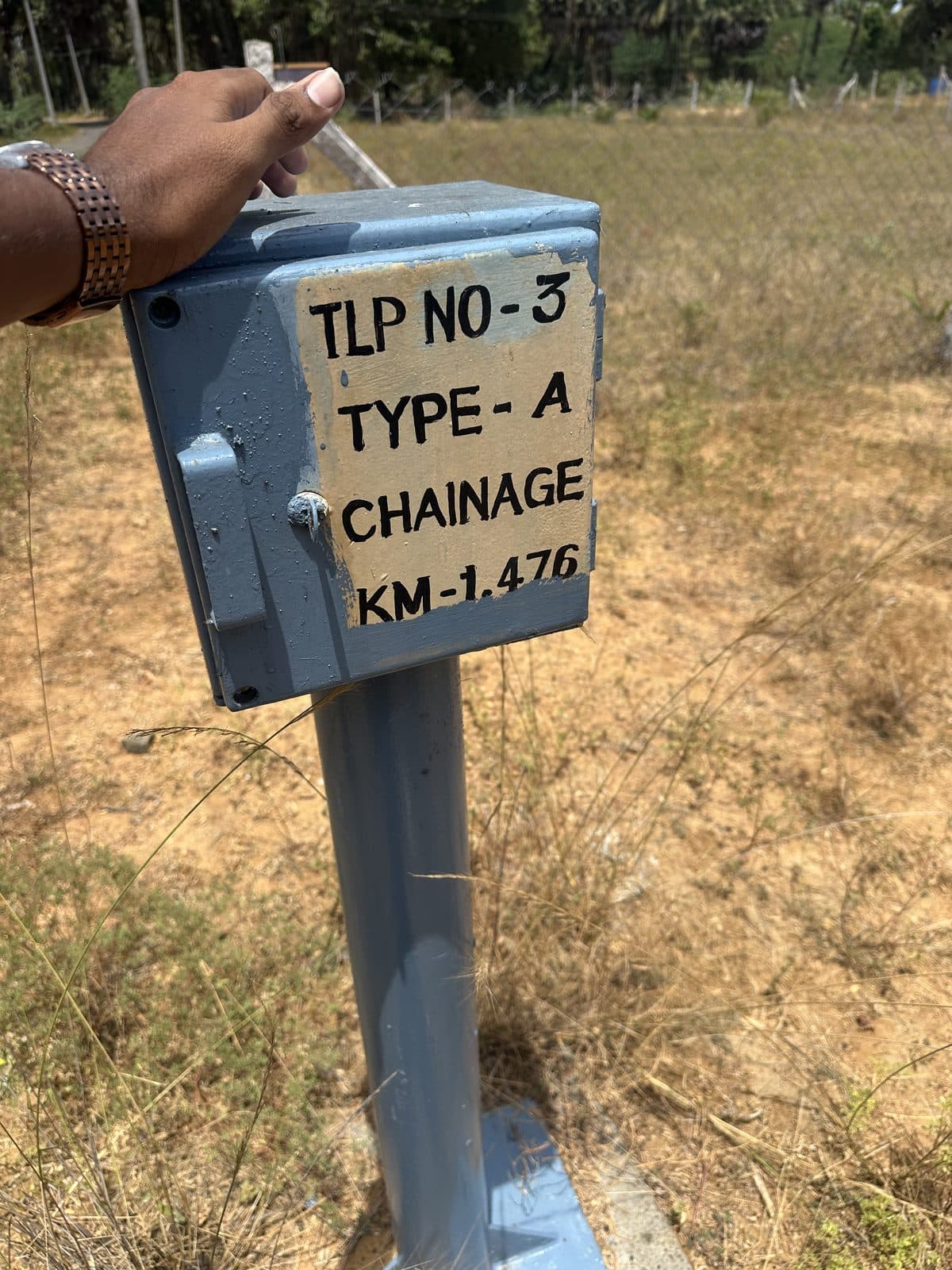
What are cathodic protection test lead points, and why they matter
What are cathodic protection test lead points, and why do they matter? A look at how underground pipelines are protected from corrosion - and monitored - decades after they are buried, seen firsthand during LeakSonic's field visit with Indian Oil Corporation.
Where does your inspection programme sit on the path to measurement-based reporting?
The shift from estimated to measured methane reporting under frameworks like OGMP 2.0 is well underway, but most operators have no quick way to see where their own workflow currently sits on that path. We built a free five-question Integrity & Methane Reporting Readiness Assessment to give a directional answer in under two minutes.