
The economics of methane leak detection: why finding leaks faster pays for itself
Methane is both a lost, sellable product and a potent greenhouse gas, which means faster leak detection has a direct financial case independent of any environmental or regulatory motivation - the same avoided emission that reduces climate impact also represents gas that was never lost to atmosphere. As methane-specific regulation tightens globally, the economic and compliance cases for faster detection are converging rather than competing.
Methane occupies an unusual position among industrial emissions: it is simultaneously an environmental liability and a directly sellable product, which means the case for faster leak detection does not depend on environmental motivation alone. Every unit of methane that escapes to atmosphere rather than reaching a customer meter is both lost revenue and a greenhouse gas emission - the two incentives point in the same direction rather than trading off.
The dual nature of a methane leak
Natural gas is primarily methane, and pipeline systems exist specifically to deliver it, intact, from source to customer. A leak anywhere along that path represents product that was paid to produce, process, and transport, but that never reaches a paying customer - a direct financial loss independent of any environmental consideration. That same escaped methane is also a greenhouse gas with a substantially higher near-term warming potential than carbon dioxide, which is why methane-specific climate policy has become a distinct regulatory priority rather than being folded into general carbon accounting. The financial and environmental cases for finding and fixing leaks faster are, in this specific instance, the same case viewed from two angles rather than competing priorities requiring a trade-off.
Detection speed, not just sensitivity, drives total emissions
A frequently underappreciated point in leak detection economics is that total emission volume from a given leak event is a function of both leak rate and duration - a moderate leak detected and repaired within days can release considerably less total methane than a smaller leak left undetected for months. This means detection speed is a first-order lever on total emissions, arguably as important as detection sensitivity (the smallest leak rate a given method can reliably identify). A monitoring approach that is highly sensitive but infrequent can still allow substantial cumulative emission from a leak that persists undetected between observation intervals; a less sensitive but more frequent method can, in aggregate, catch and stop more total emission by closing that time window faster.
Why methane regulation specifically, not just general emissions rules, is tightening
Because of methane's disproportionate near-term climate impact, a growing number of jurisdictions have introduced methane-specific monitoring, reporting, and reduction requirements for oil and gas infrastructure that go beyond general greenhouse gas reporting - see our related comparison of methane regulation trends globally for how these frameworks compare across regions. This regulatory direction reinforces, rather than creates, the underlying financial incentive: operators facing methane-specific compliance requirements are being pushed toward exactly the faster-detection behaviour that also reduces their direct product loss.
The practical implication: existing methods, used faster, matter more than waiting for new ones
Given that total emissions depend heavily on detection speed, a meaningful reduction in leak-related emissions and loss does not necessarily require a fundamentally new sensor technology - it can come substantially from better integration and prioritisation of monitoring methods that already exist: satellite methane column data, aerial thermal and gas-sensing inspection, and ground-based survey, combined and triaged so that a genuine leak signal reaches a decision-maker faster than it would from any single method reviewed in isolation. This is a data fusion and workflow problem as much as an instrumentation one.
Related reading
This economic case connects directly to TDLAS, thermal, and satellite methane detection method comparison, and to the broader regulatory trends covered in methane regulation globally.
Questions this raises
Last updated: 9 July 2026
LeakSonic Research. "The economics of methane leak detection: why finding leaks faster pays for itself." LeakSonic Private Limited, 2026. https://leaksonic.com/blog/methane-leak-detection-economics
<a href="https://leaksonic.com/blog/methane-leak-detection-economics" target="_blank" rel="noopener">The economics of methane leak detection: why finding leaks faster pays for itself</a> - via LeakSonic
Related reading
View all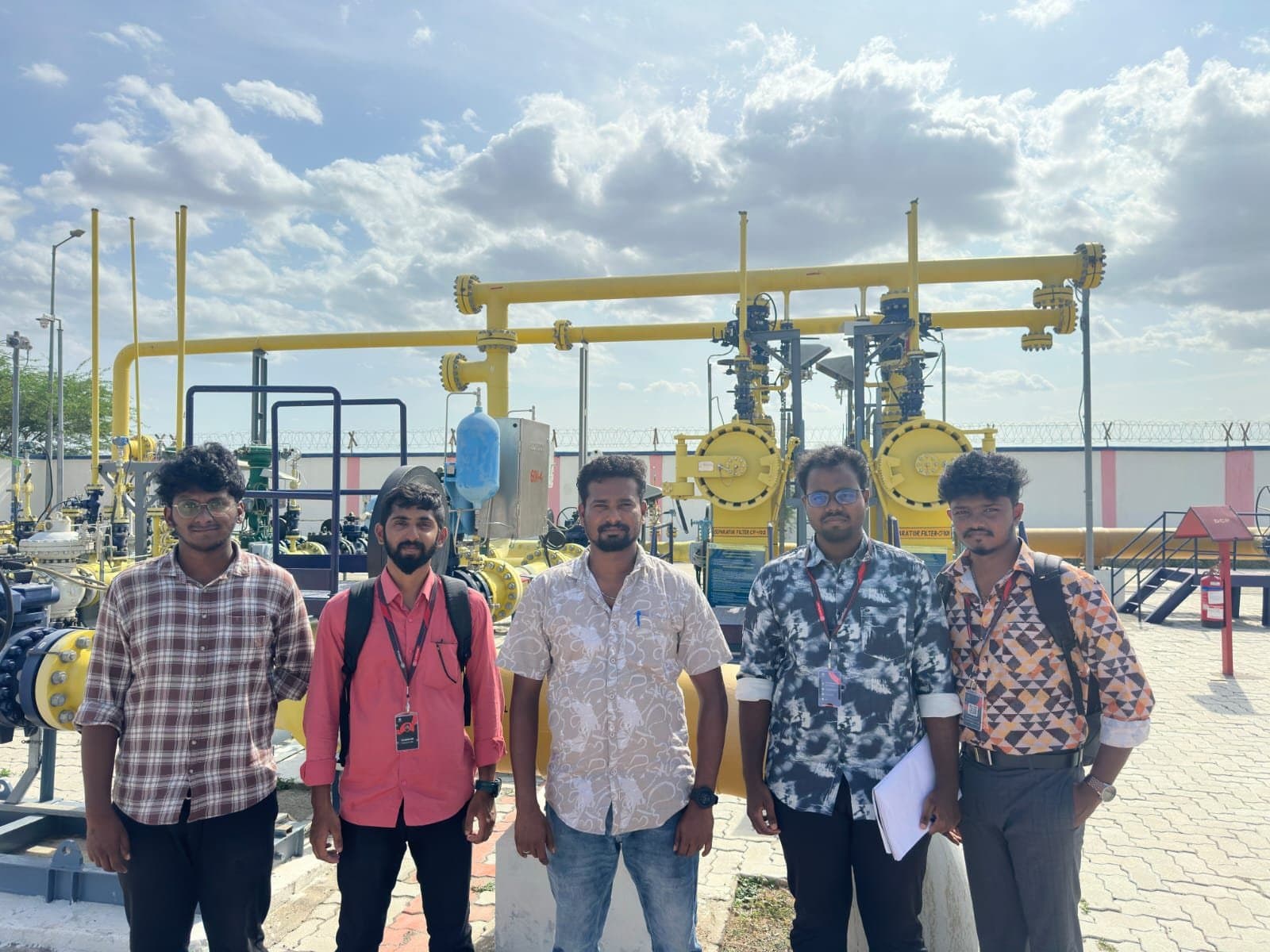
SV and IP stations: the pipeline infrastructure that keeps gas safe
Sectionalizing Valve (SV) stations and Intermediate Pressure Regulation (IP) stations are the unsung infrastructure that keeps gas pipeline networks safe, balanced, and running - seen firsthand during LeakSonic's field visit with Indian Oil Corporation.
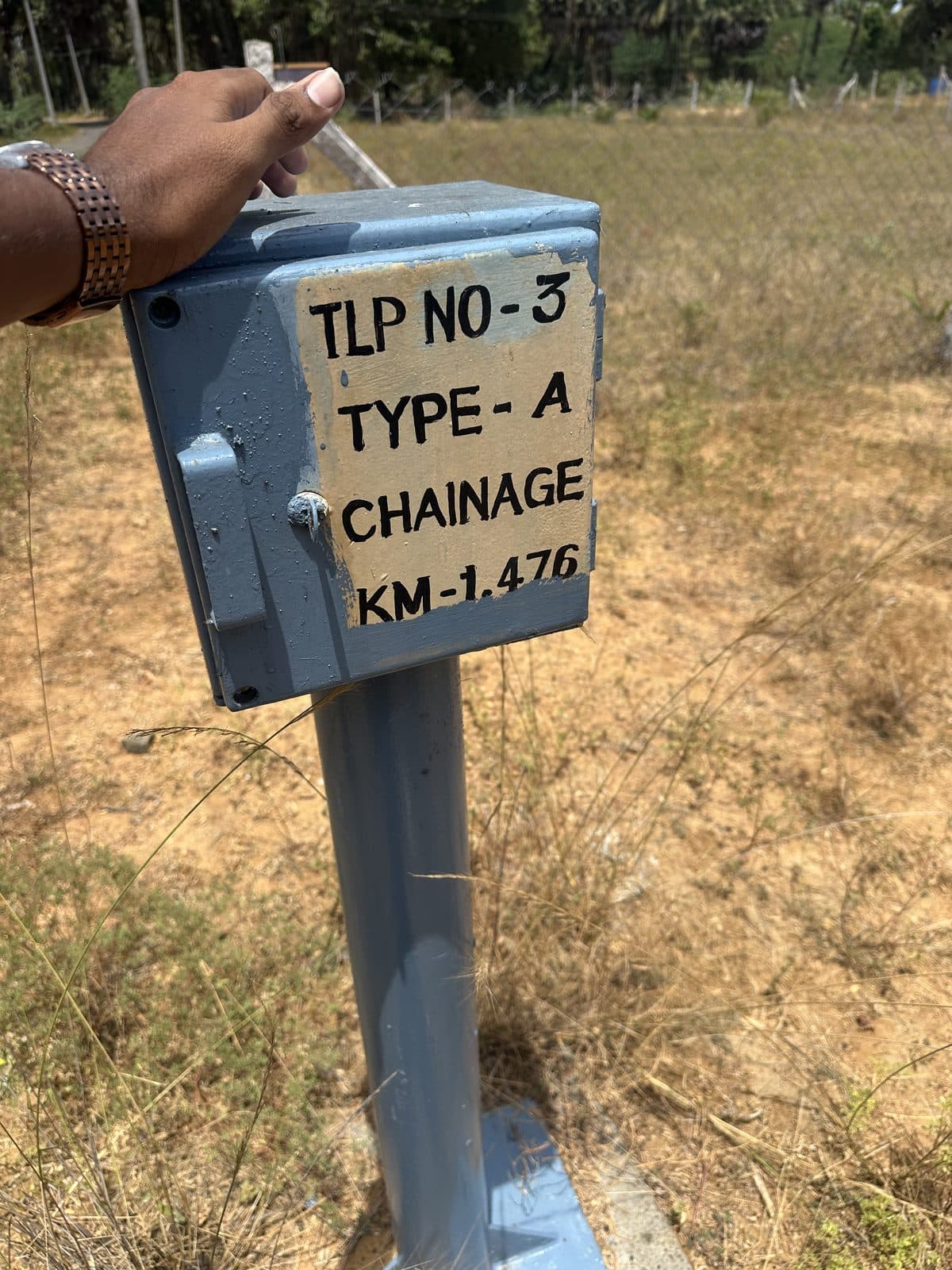
What are cathodic protection test lead points, and why they matter
What are cathodic protection test lead points, and why do they matter? A look at how underground pipelines are protected from corrosion - and monitored - decades after they are buried, seen firsthand during LeakSonic's field visit with Indian Oil Corporation.
Where does your inspection programme sit on the path to measurement-based reporting?
The shift from estimated to measured methane reporting under frameworks like OGMP 2.0 is well underway, but most operators have no quick way to see where their own workflow currently sits on that path. We built a free five-question Integrity & Methane Reporting Readiness Assessment to give a directional answer in under two minutes.