
Stray current interference: the corrosion threat that defeats normal cathodic protection
Stray current interference occurs when electrical current from an external source - DC transit systems, HVDC transmission, welding equipment, or another cathodic protection system - enters a pipeline and then discharges from it at an unrelated location, causing severe, highly localised corrosion at the discharge point. It is dangerous precisely because it can overwhelm a pipeline's own cathodic protection system and cause rapid metal loss at a location the CP design never accounted for.
Stray current interference is a corrosion mechanism distinct from the general electrochemical corrosion that cathodic protection is designed to control, and it is one of the few corrosion threats capable of overwhelming a properly functioning CP system entirely. Understanding it separately matters because standard CP performance metrics can look completely normal while stray current damage is actively occurring elsewhere on the same pipeline.
How stray current gets onto a pipeline
Buried steel pipelines are, electrically, low-resistance conductors running through the ground - which makes them an attractive unintended path for electrical current from unrelated sources nearby. DC-powered transit systems (trains, trams) are a classic source: return current intended to flow through rails can instead find a lower-resistance path through a nearby buried pipeline. HVDC transmission infrastructure, industrial welding operations, and even the cathodic protection systems of neighbouring pipelines can all inject current into a pipeline that was never designed to carry it.
Why the discharge point corrodes so severely
Current that enters a pipeline at one point has to leave it somewhere to complete its circuit back to its source. At the point where current discharges from the pipe back into the soil, the pipeline is momentarily acting as an anode - the same role that drives ordinary corrosion, but potentially carrying far more current than background electrochemical corrosion ever would. Because the discharge is concentrated at specific points (determined by soil resistivity, proximity to the interference source, and pipeline coating condition) rather than spread evenly, metal loss at that point can proceed at rates dramatically faster than typical corrosion - which is why stray current interference is associated with some of the fastest-documented pipeline wall loss of any single mechanism.
Why it can defeat a working CP system
A pipeline's cathodic protection system is designed and sized around the expected background corrosion current for that pipeline in its specific soil environment. Stray current from an external source was never part of that design calculation, and its magnitude can substantially exceed what the CP system was sized to counteract. This means a CP system can be performing exactly as designed against ordinary electrochemical corrosion, and pipe-to-soil potential readings at routine test posts can look entirely normal, while a stray current discharge point elsewhere on the same pipeline is corroding rapidly and going undetected until the next targeted interference survey or a much later inline inspection run.
Detecting interference
Because stray current is intermittent and tied to the operating pattern of its source, detection typically involves correlating pipe-to-soil potential fluctuations with the operating schedule of a suspected interfering structure - for example, checking whether potential swings track a transit system's service hours. Interference surveys are typically conducted at known crossing or proximity points with transit infrastructure, HVDC lines, or other pipelines, rather than uniformly across an entire network, because the risk is inherently tied to specific geographic proximity to a current source.
Mitigation approaches
Standard mitigation includes electrically bonding the pipeline to the interfering structure through a controlled resistance bond, which gives the current a defined, monitored path rather than an uncontrolled one through the soil; installing additional sacrificial anodes at known or suspected discharge points to provide extra local protection; and, for AC-specific interference from high-voltage transmission lines, grounding mats and gradient control mitigation designed for that distinct failure mode.
Related reading
Stray current interference is one of several mechanisms that can undermine the performance implied by cathodic protection readings alone, which is part of why periodic point measurements need to be paired with broader corridor-level risk awareness.
Questions this raises
Last updated: 9 July 2026
LeakSonic Research. "Stray current interference: the corrosion threat that defeats normal cathodic protection." LeakSonic Private Limited, 2026. https://leaksonic.com/blog/stray-current-interference-pipeline-corrosion
<a href="https://leaksonic.com/blog/stray-current-interference-pipeline-corrosion" target="_blank" rel="noopener">Stray current interference: the corrosion threat that defeats normal cathodic protection</a> - via LeakSonic
Related reading
View all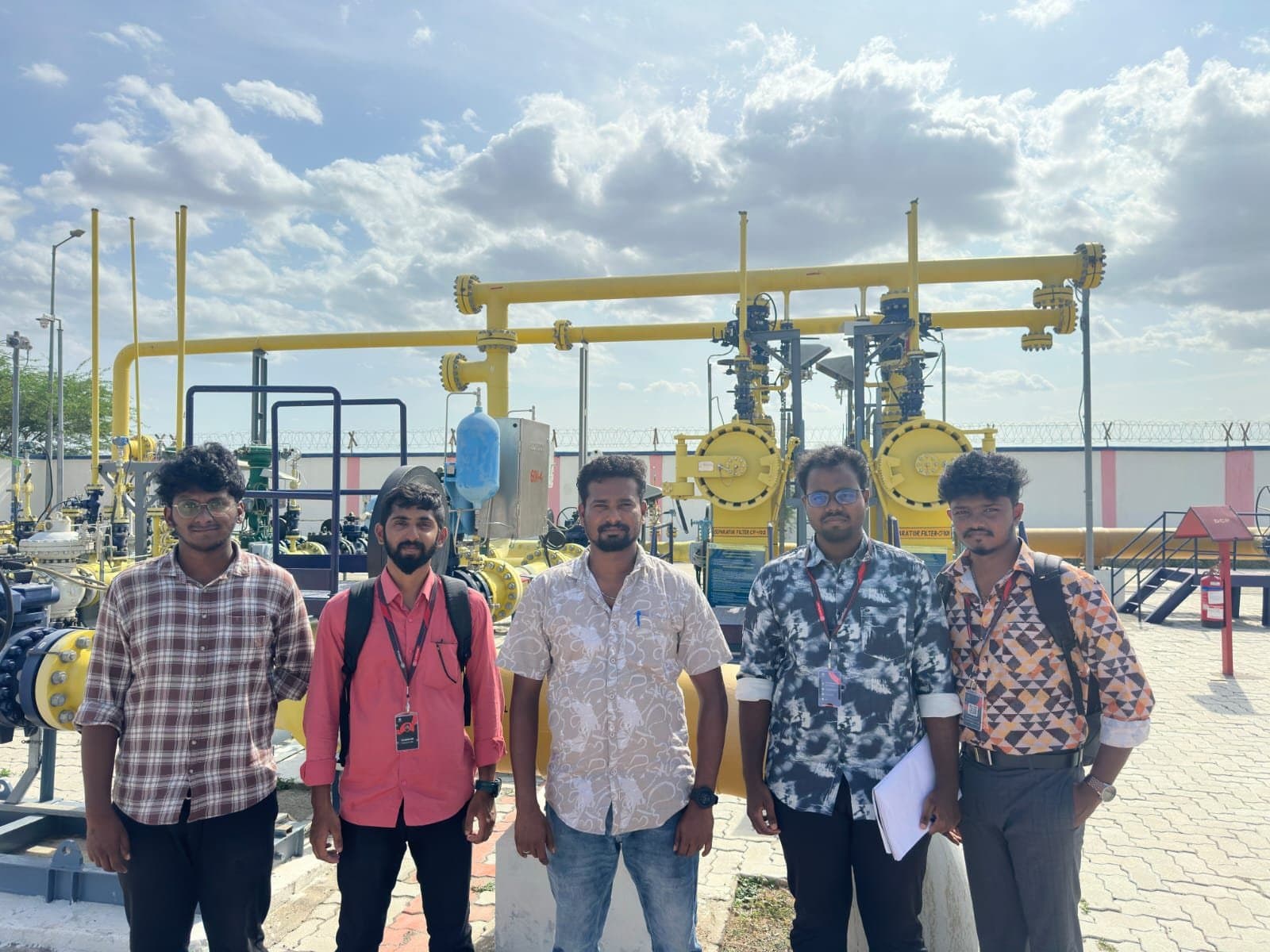
SV and IP stations: the pipeline infrastructure that keeps gas safe
Sectionalizing Valve (SV) stations and Intermediate Pressure Regulation (IP) stations are the unsung infrastructure that keeps gas pipeline networks safe, balanced, and running - seen firsthand during LeakSonic's field visit with Indian Oil Corporation.
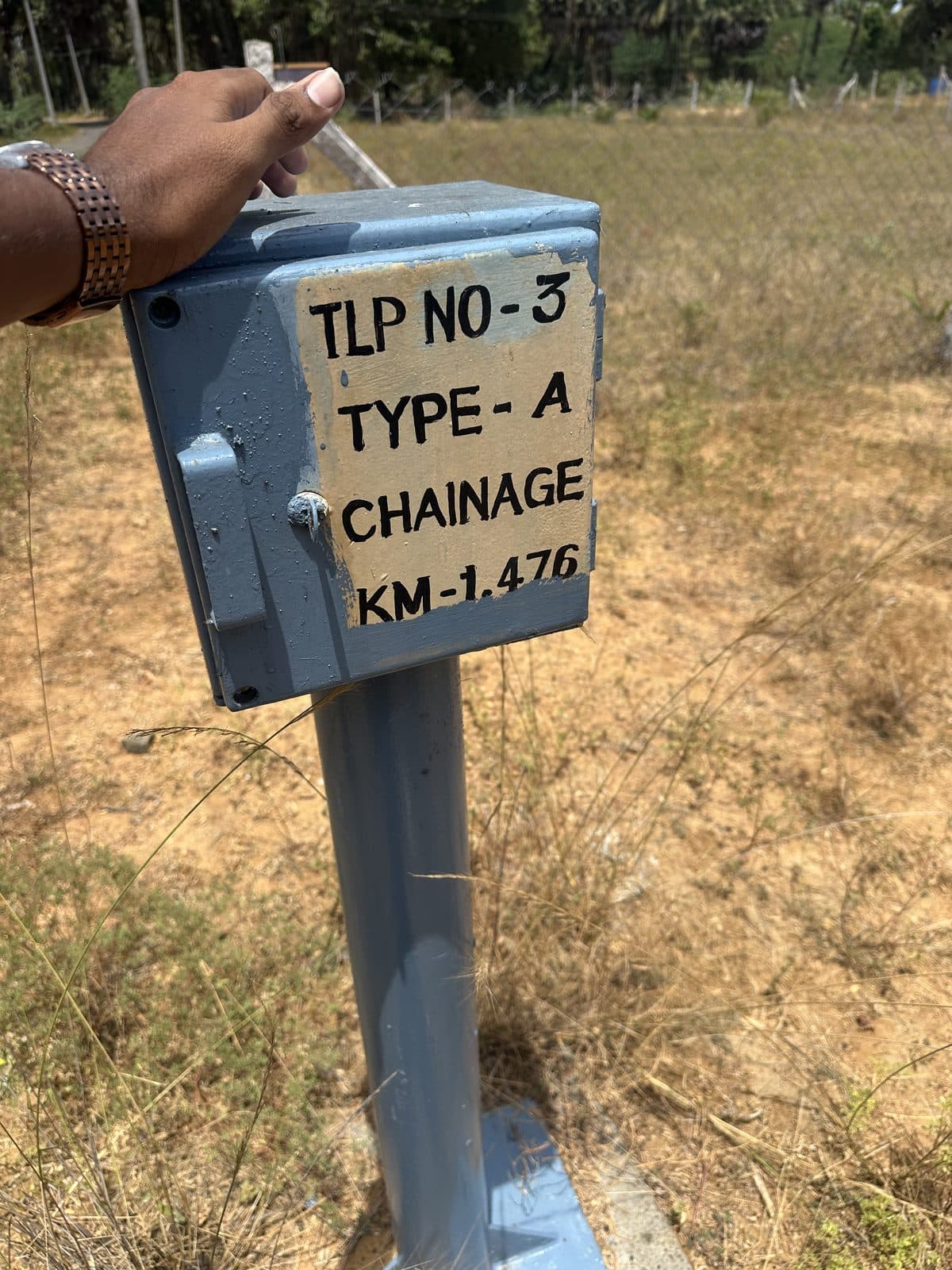
What are cathodic protection test lead points, and why they matter
What are cathodic protection test lead points, and why do they matter? A look at how underground pipelines are protected from corrosion - and monitored - decades after they are buried, seen firsthand during LeakSonic's field visit with Indian Oil Corporation.
Where does your inspection programme sit on the path to measurement-based reporting?
The shift from estimated to measured methane reporting under frameworks like OGMP 2.0 is well underway, but most operators have no quick way to see where their own workflow currently sits on that path. We built a free five-question Integrity & Methane Reporting Readiness Assessment to give a directional answer in under two minutes.