
Microbiologically influenced corrosion (MIC): why bacteria are a pipeline integrity threat
Microbiologically influenced corrosion (MIC) is metal loss caused or accelerated by the metabolic activity of microorganisms - most commonly sulphate-reducing bacteria - living in biofilms on a pipe surface. It produces some of the fastest and most localised corrosion rates seen in pipeline systems, and standard cathodic protection and coating defences do not reliably prevent it because the responsible organisms can create their own protective microenvironment beneath a biofilm.
Microbiologically influenced corrosion, commonly abbreviated MIC, is metal loss caused or accelerated by the metabolic activity of microorganisms living in a biofilm on a pipe surface. It is a distinct corrosion mechanism from the general electrochemical corrosion that cathodic protection is designed to control, and it is responsible for some of the fastest, most localised corrosion rates documented in pipeline systems.
The mechanism: biofilms, not just bacteria in isolation
MIC is not simply bacteria touching metal - it is a consequence of organized microbial communities, biofilms, establishing on a surface and creating a chemical microenvironment distinct from the bulk fluid around it. Within that biofilm, sulphate-reducing bacteria are the most commonly implicated organism group: they metabolise sulphate compounds present in water and produce hydrogen sulphide and other corrosive byproducts directly at the metal interface, often in concentrations far higher than would ever occur in the surrounding fluid.
Why standard defences do not reliably stop it
Cathodic protection and biocide dosing are both effective tools against many corrosion mechanisms, but MIC presents a specific challenge to each. A biofilm can physically shield the metal surface it covers from cathodic protection current, meaning the pipe can register as adequately protected by potential readings while an active corrosion cell continues beneath an established biofilm. Biocide treatment, similarly, has to penetrate the biofilm matrix to be effective against the organisms within it, and biofilms are structurally resistant to that penetration by design - it is, in effect, what the biofilm matrix exists to do.
Where MIC tends to concentrate
MIC is disproportionately associated with conditions that favour biofilm establishment and persistence: low-flow or stagnant sections, low points and dead legs where water and sediment settle, areas downstream of water injection in multiphase systems, and locations where temperature and chemistry fall within the range favourable to sulphate-reducing bacteria. This localisation is both the challenge and the opportunity - MIC does not occur uniformly across a network, so identifying the specific conditions that favour it is a more tractable risk-screening approach than monitoring for it everywhere with equal intensity.
Detection and pitting behaviour
Unlike general corrosion, which tends to produce relatively uniform wall thinning, MIC characteristically produces highly localised pitting - deep, narrow metal loss concentrated at individual biofilm colonies rather than distributed evenly across a surface. This has a direct consequence for monitoring: average corrosion rate measurements, or inspection methods tuned to detect gradual uniform thinning, can substantially underestimate MIC risk because the failure mode is a small number of deep pits rather than broad thinning. Inline inspection tools and direct assessment methods sensitive to pitting-type anomalies, combined with microbiological sampling to confirm active bacterial populations, remain the standard combined detection approach.
Related reading
MIC is one of several threats that sit alongside external corrosion and cathodic protection performance in a complete pipeline integrity management program.
Questions this raises
Last updated: 9 July 2026
LeakSonic Research. "Microbiologically influenced corrosion (MIC): why bacteria are a pipeline integrity threat." LeakSonic Private Limited, 2026. https://leaksonic.com/blog/microbiologically-influenced-corrosion-explained
<a href="https://leaksonic.com/blog/microbiologically-influenced-corrosion-explained" target="_blank" rel="noopener">Microbiologically influenced corrosion (MIC): why bacteria are a pipeline integrity threat</a> - via LeakSonic
Related reading
View all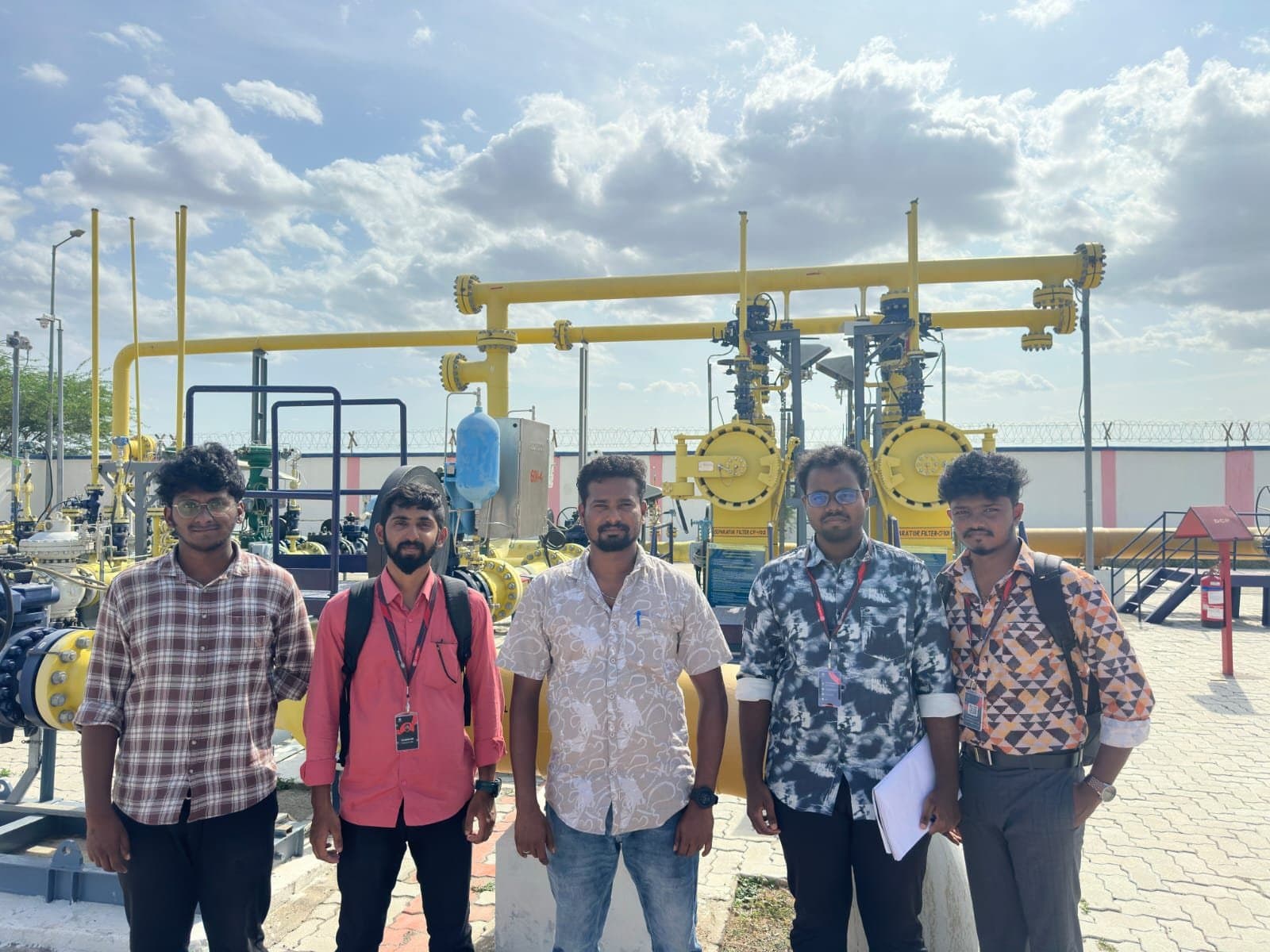
SV and IP stations: the pipeline infrastructure that keeps gas safe
Sectionalizing Valve (SV) stations and Intermediate Pressure Regulation (IP) stations are the unsung infrastructure that keeps gas pipeline networks safe, balanced, and running - seen firsthand during LeakSonic's field visit with Indian Oil Corporation.
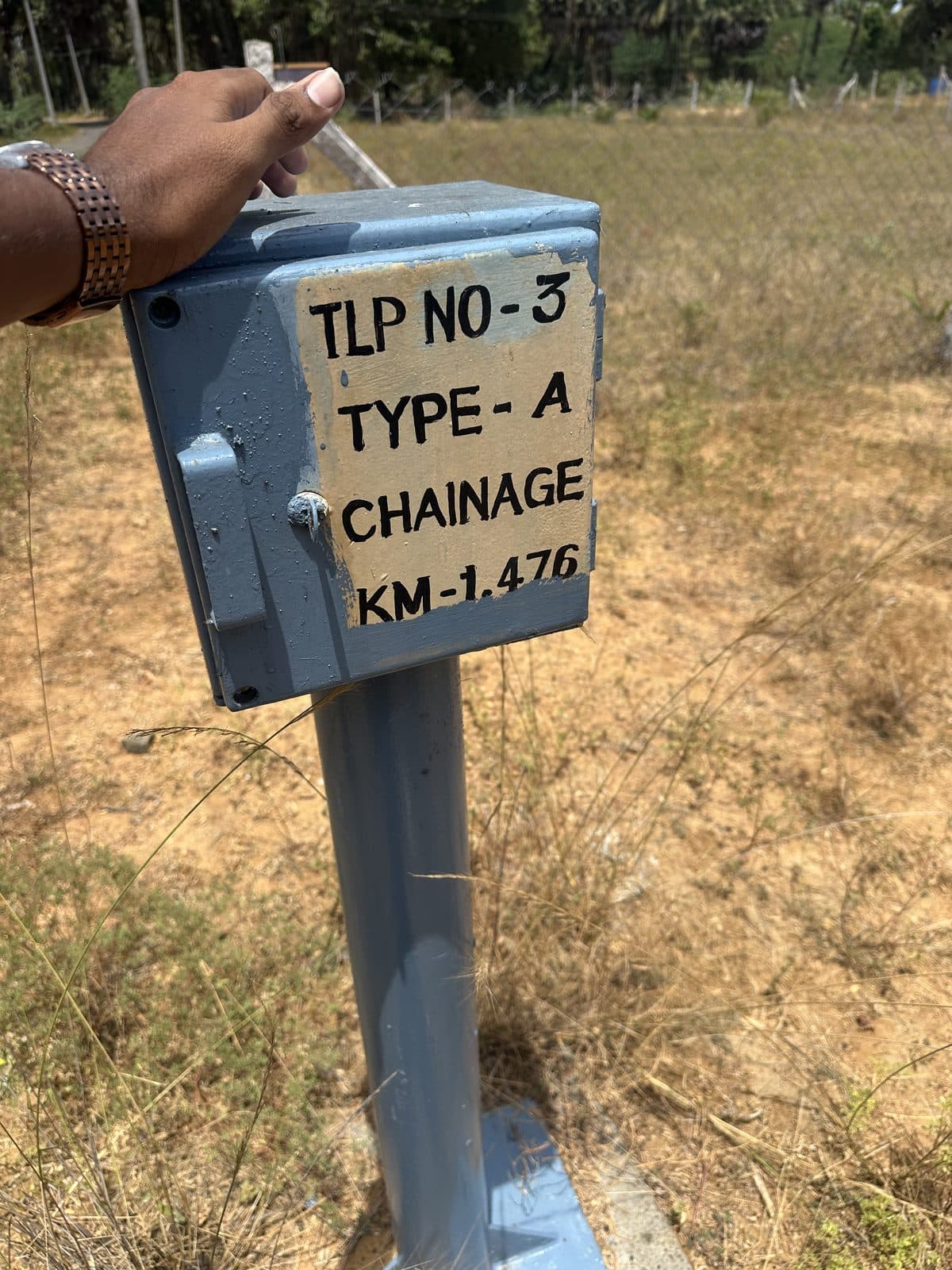
What are cathodic protection test lead points, and why they matter
What are cathodic protection test lead points, and why do they matter? A look at how underground pipelines are protected from corrosion - and monitored - decades after they are buried, seen firsthand during LeakSonic's field visit with Indian Oil Corporation.
Where does your inspection programme sit on the path to measurement-based reporting?
The shift from estimated to measured methane reporting under frameworks like OGMP 2.0 is well underway, but most operators have no quick way to see where their own workflow currently sits on that path. We built a free five-question Integrity & Methane Reporting Readiness Assessment to give a directional answer in under two minutes.