
Why pipeline failures still happen: the root causes behind incidents worldwide
Published incident data from regulators and industry bodies worldwide consistently attributes pipeline failures to a small number of recurring root causes: external corrosion, excavation and third-party damage, material or weld defects, and equipment or operational error. Most of these causes are not the result of unknown technology gaps - they recur because the detection and inspection methods available are periodic, partial, or too slow to catch a developing problem before it becomes a failure.
Published incident data from pipeline safety regulators in multiple countries paints a consistent picture: the same small set of root causes recur across networks, decades, and product types. Understanding why they recur - despite well-established prevention and detection methods existing for all of them - says more about inspection frequency and coverage gaps than it does about any fundamental technology shortfall.
The recurring categories
Regulator incident databases, when aggregated, consistently attribute pipeline failures to a small number of categories: external corrosion (metal loss from the electrochemical processes covered in our external corrosion explainer), third-party or excavation damage from digging, construction, or other mechanical contact near a pipeline, material and weld defects that originate during manufacturing or construction, and equipment or operational error including valve, control system, and procedural failures. The relative ranking shifts somewhat by network age, product carried, and region, but these four categories account for the substantial majority of reported incidents almost everywhere incident data is published in enough detail to analyse.
This is a monitoring gap, not a knowledge gap
A striking feature of this pattern is that none of these root causes represents an unknown or undetectable failure mode. Cathodic protection, coating inspection, inline inspection, and right-of-way patrol all exist specifically to catch these threats, and have existed in some form for decades. The recurring failure pattern is not "we didn't know this could happen" - it is that the detection methods available were applied periodically, partially, or with a coverage gap, and the specific failure developed and progressed during a window when it was not being actively observed.
Why third-party damage remains persistent
Excavation and construction damage might seem like the most preventable category - most pipeline markets operate some form of call-before-you-dig or one-call notification system requiring excavators to request pipeline location markup before digging near known infrastructure. In practice, compliance with notification requirements is incomplete, markup accuracy depends on records that are not always current, and unauthorised or unreported excavation activity still occurs, particularly in areas experiencing rapid development near existing rights-of-way. The specific gap here is observational: notification-based prevention only works if the excavator complies and requests markup; observation-based prevention - noticing unauthorised activity on or near the corridor before contact occurs - is one of the few approaches that does not depend on third-party compliance at all, but its effectiveness depends entirely on how frequently the corridor is actually being watched.
Corrosion and the periodic-monitoring problem
External corrosion incidents frequently trace back to a location where cathodic protection was, at some point, inadequate - a rectifier fault, a coating defect combined with insufficient CP current, or stray current interference - that persisted undetected between two scheduled CP surveys. The corrosion process itself is gradual, meaning there is usually a real window during which the condition was developing and, in principle, detectable, before it became severe enough to cause failure. Whether a given monitoring program catches it comes down almost entirely to whether the survey interval is short enough relative to how fast the specific corrosion mechanism at that location is progressing - which is not the same for every location on a network, and is rarely known with precision in advance.
What this pattern implies for inspection strategy
If most root causes are detection-window problems rather than technology-availability problems, the highest-leverage improvement available to most operators is not a new detection method but tighter, better-prioritised application of the methods that already exist - closing the gap between how often a given segment is actually observed and how fast the threats most relevant to that segment can plausibly progress. That is the specific problem that risk-based, continuously informed inspection prioritisation is built to address.
Related reading
This pattern connects directly to why risk-based inspection prioritisation exists, and why closing detection windows - not just adding new sensor types - is the throughline behind reducing false positives in inspection software.
Questions this raises
Last updated: 9 July 2026
LeakSonic Research. "Why pipeline failures still happen: the root causes behind incidents worldwide." LeakSonic Private Limited, 2026. https://leaksonic.com/blog/pipeline-failure-root-causes-global-data
<a href="https://leaksonic.com/blog/pipeline-failure-root-causes-global-data" target="_blank" rel="noopener">Why pipeline failures still happen: the root causes behind incidents worldwide</a> - via LeakSonic
Related reading
View all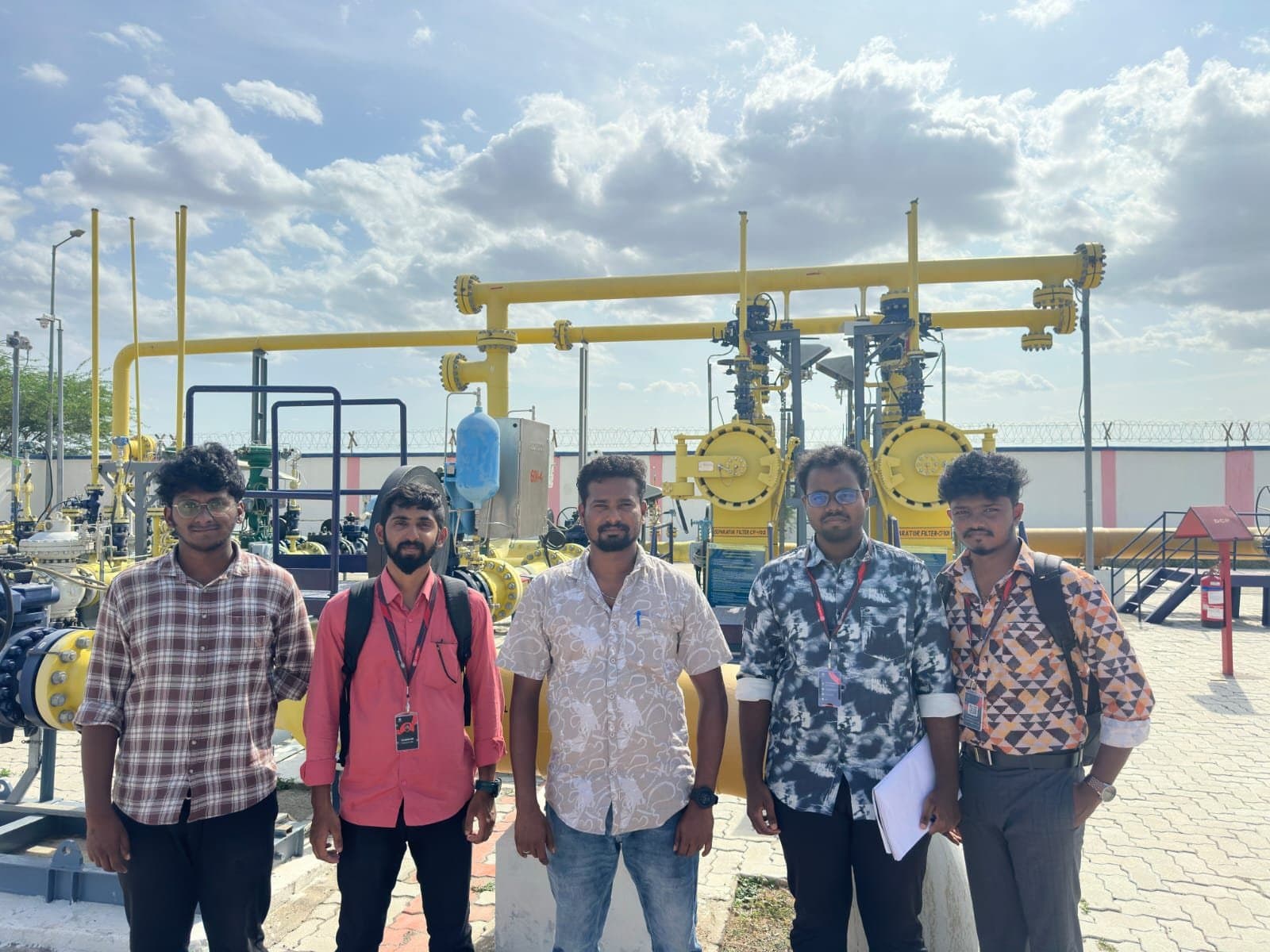
SV and IP stations: the pipeline infrastructure that keeps gas safe
Sectionalizing Valve (SV) stations and Intermediate Pressure Regulation (IP) stations are the unsung infrastructure that keeps gas pipeline networks safe, balanced, and running - seen firsthand during LeakSonic's field visit with Indian Oil Corporation.
What are cathodic protection test lead points, and why they matter
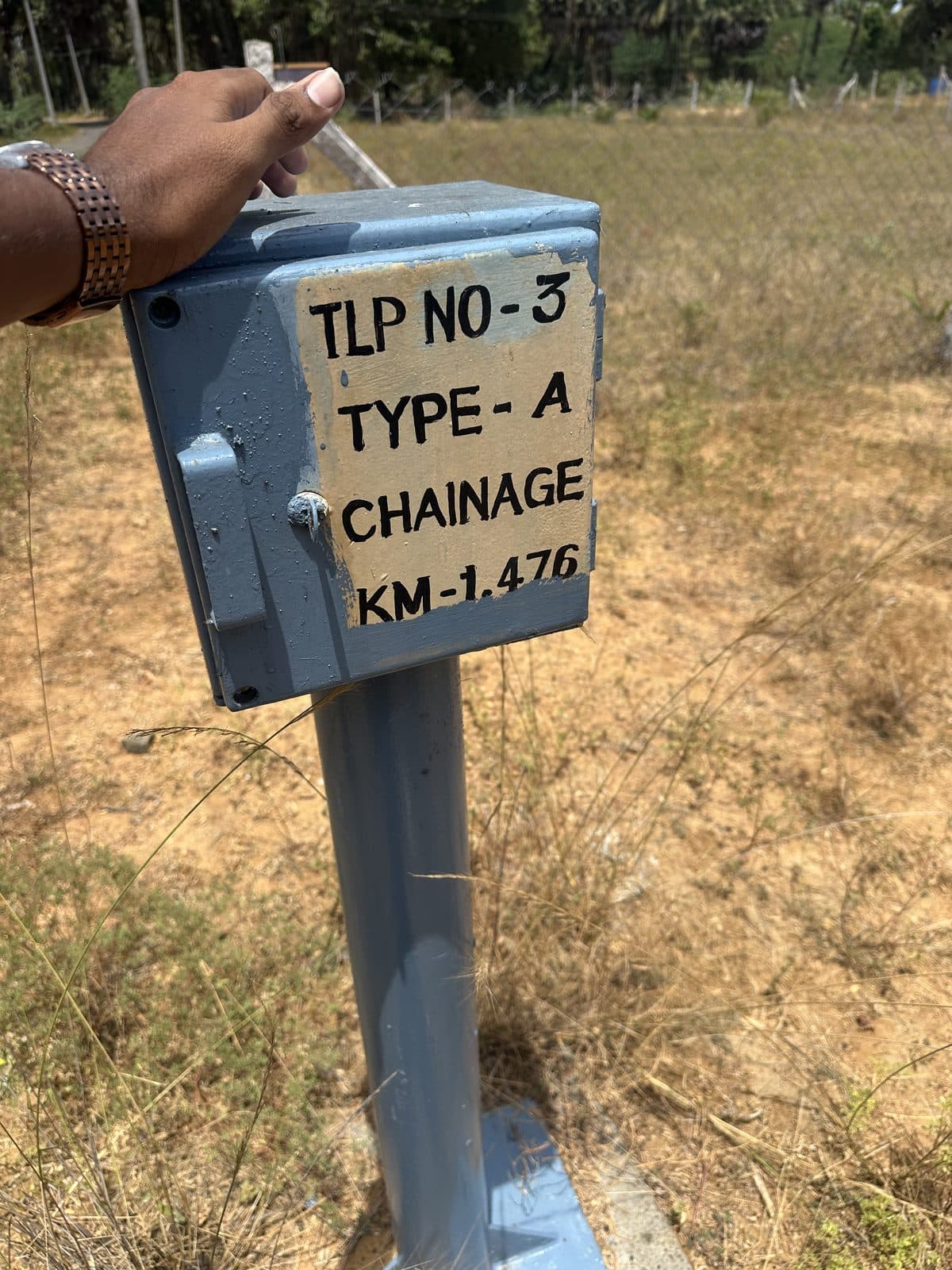
What are cathodic protection test lead points, and why do they matter? A look at how underground pipelines are protected from corrosion - and monitored - decades after they are buried, seen firsthand during LeakSonic's field visit with Indian Oil Corporation.
Where does your inspection programme sit on the path to measurement-based reporting?
The shift from estimated to measured methane reporting under frameworks like OGMP 2.0 is well underway, but most operators have no quick way to see where their own workflow currently sits on that path. We built a free five-question Integrity & Methane Reporting Readiness Assessment to give a directional answer in under two minutes.