
PNGRB, Integrity Management Systems, and what CGD/gas pipeline operators should expect
PNGRB increasingly frames pipeline safety obligations around a formal Integrity Management System - alongside HAZOP studies, Quantitative Risk Assessment, and Emergency Response Plans - rather than a looser set of inspection guidelines. As CGD networks and gas-pipeline integration (including biogas and CBG connections) expand, operators should expect that framing to keep tightening, and inspection evidence that does not map cleanly to an IMS becomes a growing liability.
What does PNGRB mean by an Integrity Management System?
An Integrity Management System, in PNGRB's regulatory language, is the documented, auditable programme an operator runs to identify pipeline threats, assess and prioritise risk, plan and execute inspection and mitigation, and record the outcomes. It is the same structural concept international standards like ASME B31.8S and API 580/581 organise, formalised as a specific expectation for Indian gas pipeline and CGD operators.
Indian gas pipeline and City Gas Distribution regulation has been moving, gradually but consistently, toward formal terminology: not "inspect your pipeline periodically," but "maintain a documented Integrity Management System." That shift matters more than it sounds, because it changes what a regulator or auditor actually asks to see - a structured, auditable programme, not a folder of inspection reports.
From guidelines to a named system
PNGRB's role as India's downstream petroleum and natural gas regulator includes authorising and overseeing natural gas pipelines and City Gas Distribution networks, and setting the technical and safety standards - including integrity-management and inspection requirements - operators are expected to maintain. The specific language operators increasingly see is "Integrity Management System": a formal, documented programme covering threat identification, risk assessment, inspection and mitigation planning, and record-keeping, rather than a looser set of inspection guidelines interpreted case by case.
The broader safety-case picture
An Integrity Management System rarely stands alone in current regulatory framing. It typically sits alongside HAZOP (Hazard and Operability) studies that systematically walk through process hazards, Quantitative Risk Assessment (QRA) that models failure consequences and likelihoods, and a documented Emergency Response Plan. Together, these form the broader safety case a serious operator is expected to maintain - and as gas pipeline networks expand and integrate further, including connections to biogas and Compressed Bio-Gas (CBG) sources, that expectation has if anything been getting more explicit, not less.
| Component | What it covers | When it typically runs |
|---|---|---|
| Integrity Management System (IMS) | Threat identification, risk assessment, inspection/mitigation planning, and record-keeping | Continuous, cycle over cycle |
| HAZOP | Systematic walk-through of process hazards and their causes | At design stage and on major process changes |
| Quantitative Risk Assessment (QRA) | Models failure consequences and likelihoods across the network | Periodically, and after significant network changes |
| Emergency Response Plan (ERP) | Documented response procedures if a failure does occur | Maintained continuously, tested periodically |
These four pieces are typically expected together, not as isolated, one-off compliance exercises.
Why this matters for inspection evidence specifically
An Integrity Management System is only as credible as the evidence feeding it. If inspection findings arrive as loose photo folders, inconsistent per-inspector notes, or evidence that cannot be reliably compared cycle over cycle, they do not integrate cleanly into a documented IMS - someone still has to manually translate raw evidence into the structured record a regulator expects to review. That translation step is exactly where Sentrix is built to help: standardising inspection evidence, comparing it against the previous cycle, and producing output structured the way an Integrity Management System actually consumes it, rather than a format that creates rework before it can be filed.
A note on verification
Regulatory guidance evolves, and PNGRB's specific current requirements should always be verified directly against its published regulations rather than taken secondhand from any vendor's blog, including this one. What we can speak to confidently is the direction: formal, documented, IMS-centred safety-case expectations are the trend, and inspection evidence that does not map cleanly to that structure is a growing operational liability, not a paperwork inconvenience. If you want to see how Sentrix output is structured against these expectations, the platform page walks through it, or talk to us directly about your specific network.
Related reading
For how an IMS actually prioritises where inspection effort goes, see risk-based inspection. For the CGD-specific demand context driving this regulatory tightening, see India's City Gas Distribution expansion and audit-ready pipeline data standards.
Questions this raises
Last updated: 26 July 2026
LeakSonic Research. "PNGRB, Integrity Management Systems, and what CGD/gas pipeline operators should expect." LeakSonic Private Limited, 2026. https://leaksonic.com/blog/pngrb-integrity-management-guidelines-cgd
<a href="https://leaksonic.com/blog/pngrb-integrity-management-guidelines-cgd" target="_blank" rel="noopener">PNGRB, Integrity Management Systems, and what CGD/gas pipeline operators should expect</a> - via LeakSonic
Related reading
View all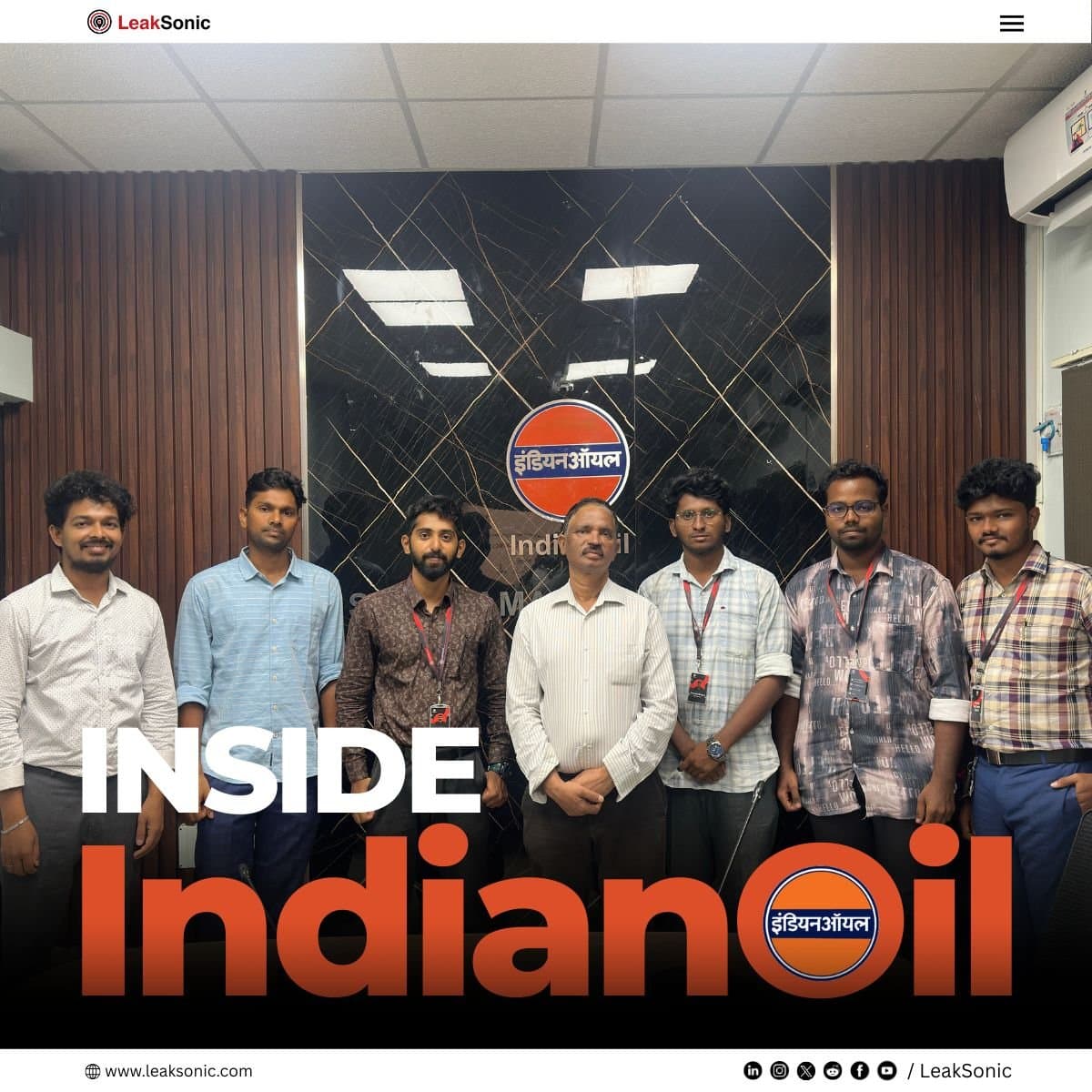
Inside Indian Oil: presenting Sentrix to IOCL Southern Regional Pipeline
LeakSonic's founding team met with Indian Oil Corporation's Southern Regional Pipeline (SRPL) division in Ramanathapuram to present Sentrix, our pipeline integrity intelligence platform - and came away with real engineering validation and a path toward field testing.
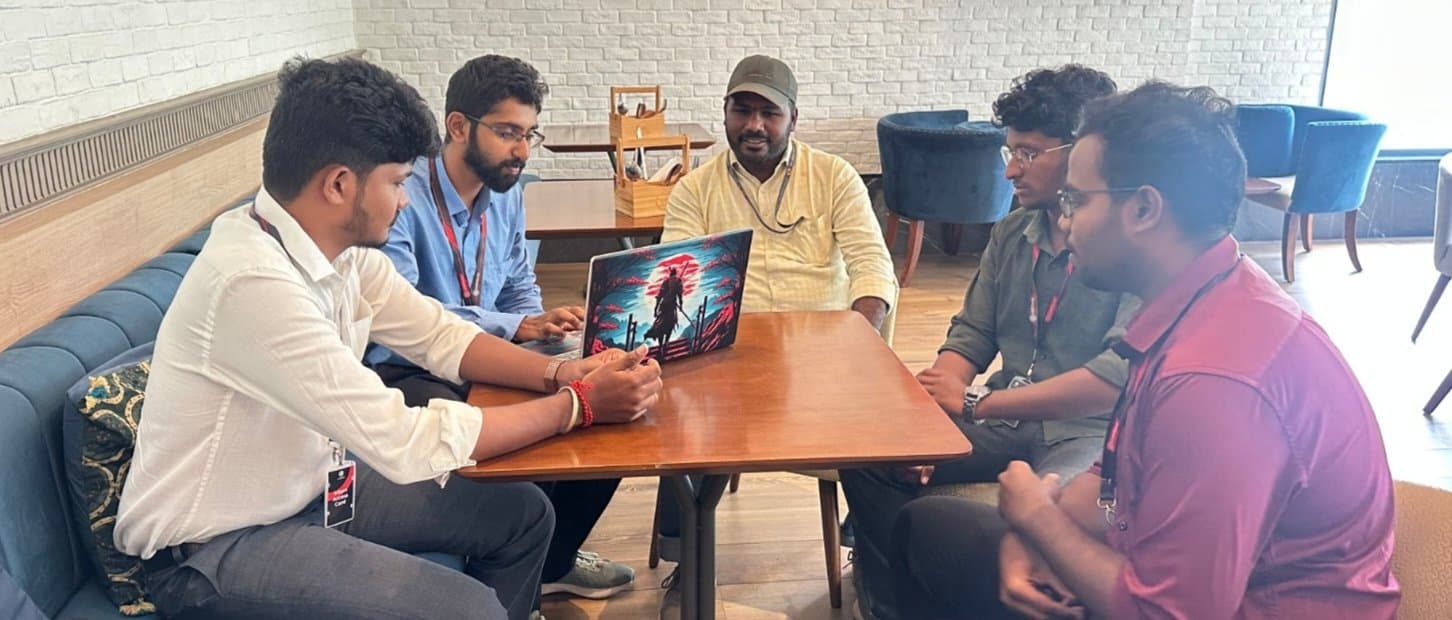
On-site with GAIL: learning pipeline construction at the L&T Bypass
LeakSonic's team visited an active pipeline construction site along the Larsen & Toubro Bypass project, learning directly from GAIL (India) Limited Senior Manager Ashwin Kumar A. about real-world pipeline construction, HDD drilling, and commissioning.
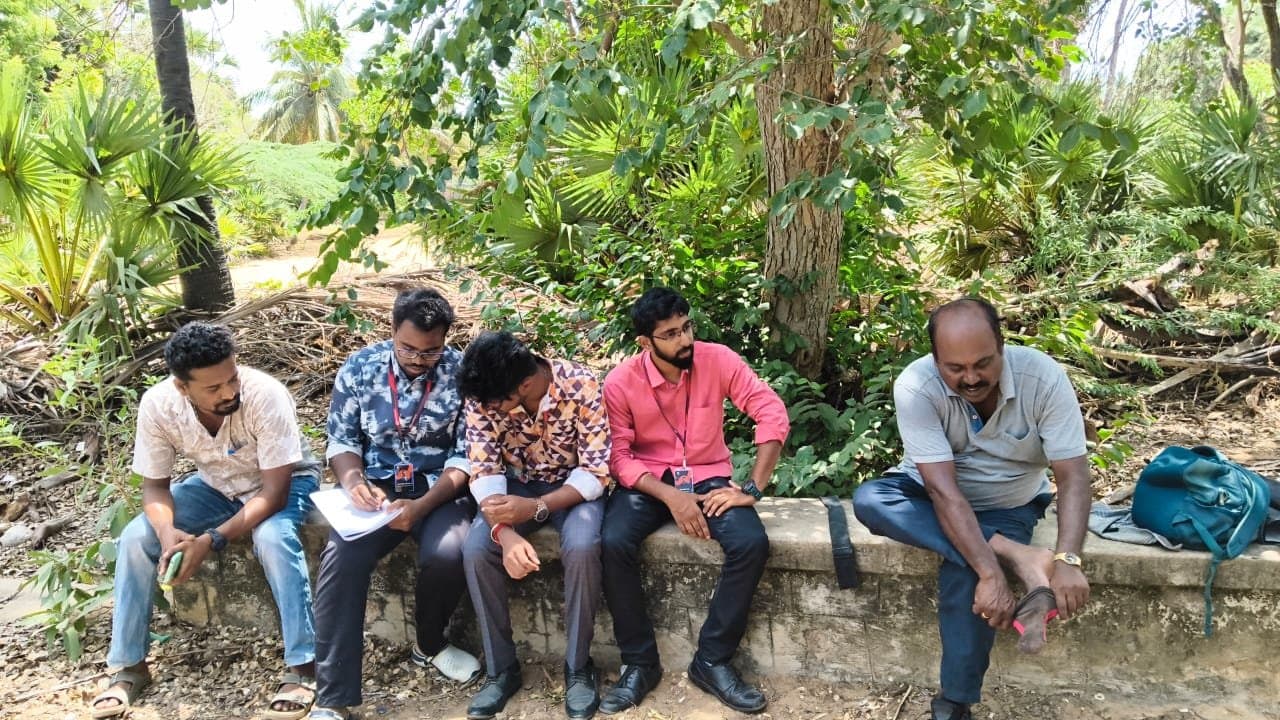
What a Line Security Man actually does on pipeline patrol
Understanding the vital, often-overlooked role of the Line Security Man (LSM) in keeping India's pipeline right-of-way corridors safe, monitored, and connected to local communities - learned firsthand during LeakSonic's field visit with Indian Oil Corporation.