
Pipeline inspection regulation around the world: how requirements compare
Pipeline inspection requirements vary significantly across jurisdictions in inspection frequency, permitted methods, and how risk-based alternatives to fixed schedules are treated - but nearly every major regulatory framework, from the US PHMSA rules to EU and Indian requirements, is converging on the same underlying principle: risk-informed inspection intervals rather than uniform fixed schedules for every pipeline segment regardless of actual condition.
Pipeline inspection regulation differs meaningfully across jurisdictions in the specifics of inspection frequency and permitted methods, but the underlying trajectory across nearly every major regulatory framework is remarkably consistent: a shift from uniform, fixed-interval requirements toward risk-informed inspection intervals that direct effort according to actual assessed risk.
Why direct global comparison is genuinely difficult
Pipeline regulation is typically structured around several interacting variables - pipeline class (a function of nearby population density and consequence of failure), product type, pipeline age and construction era, and the specific inspection method being used - which makes simple side-by-side numerical comparison across countries misleading if those variables aren't held constant. A high-consequence segment near a population centre in one country and a remote low-consequence segment in another can have very different inspection requirements despite operating under the same national framework, so "what does country X require" rarely has a single clean answer.
The common structural pattern
Despite differing specifics, most major frameworks share a similar underlying structure: a baseline requirement (often tied to pipeline class and consequence area) establishing a minimum inspection cadence and acceptable methods, combined with an increasingly common risk-based alternative pathway that allows operators to justify different - often more targeted and more frequent for higher-risk segments, less frequent for demonstrably lower-risk segments - intervals based on a documented, defensible risk assessment methodology. This dual structure exists because a purely fixed-interval approach treats all segments within a class identically regardless of their actual, individual condition, while a purely risk-based approach without any baseline floor could theoretically allow under-inspection if a risk model is flawed or under-conservative.
Methods regulation typically recognises
Most frameworks define a set of acceptable inspection methods rather than mandating one universal approach: inline inspection for piggable segments, direct assessment (physical excavation and examination) for segments that are not piggable, and pressure testing as an alternative integrity verification approach for certain circumstances. Regulatory language in updated and newer frameworks is increasingly explicit about recognising supplementary methods - aerial and satellite-based right-of-way and leak monitoring in particular - as legitimate components of a documented integrity management program, reflecting the reality that these methods have moved from novel to established practice over the past decade.
The consistent direction of travel
Looking across regulatory evolution over the past two decades in multiple major pipeline markets, the consistent pattern is movement toward greater risk-based flexibility layered on top of, rather than replacing, baseline safety floors. This reflects a broadly shared regulatory conclusion: uniform fixed-interval inspection is a comparatively blunt instrument next to inspection effort that is dynamically informed by the actual, current risk profile of each individual segment - the same logic explored in our piece on risk-based inspection.
What this means for operators evaluating inspection technology
Given this regulatory direction, inspection approaches that can demonstrate a defensible, auditable, evidence-linked risk assessment - not just a technology capability claim - are increasingly well positioned relative to frameworks that recognise and reward risk-based justification. Auditability of the underlying data and methodology, not just the headline capability, is what actually satisfies a risk-based regulatory submission; see our related piece on audit-ready data standards for what that requires in practice.
Related reading
This regulatory context connects directly to risk-based inspection prioritisation and to methane regulation trends globally, which is driving a parallel but related shift in monitoring requirements.
Questions this raises
Last updated: 9 July 2026
LeakSonic Research. "Pipeline inspection regulation around the world: how requirements compare." LeakSonic Private Limited, 2026. https://leaksonic.com/blog/pipeline-inspection-regulations-global-comparison
<a href="https://leaksonic.com/blog/pipeline-inspection-regulations-global-comparison" target="_blank" rel="noopener">Pipeline inspection regulation around the world: how requirements compare</a> - via LeakSonic
Related reading
View all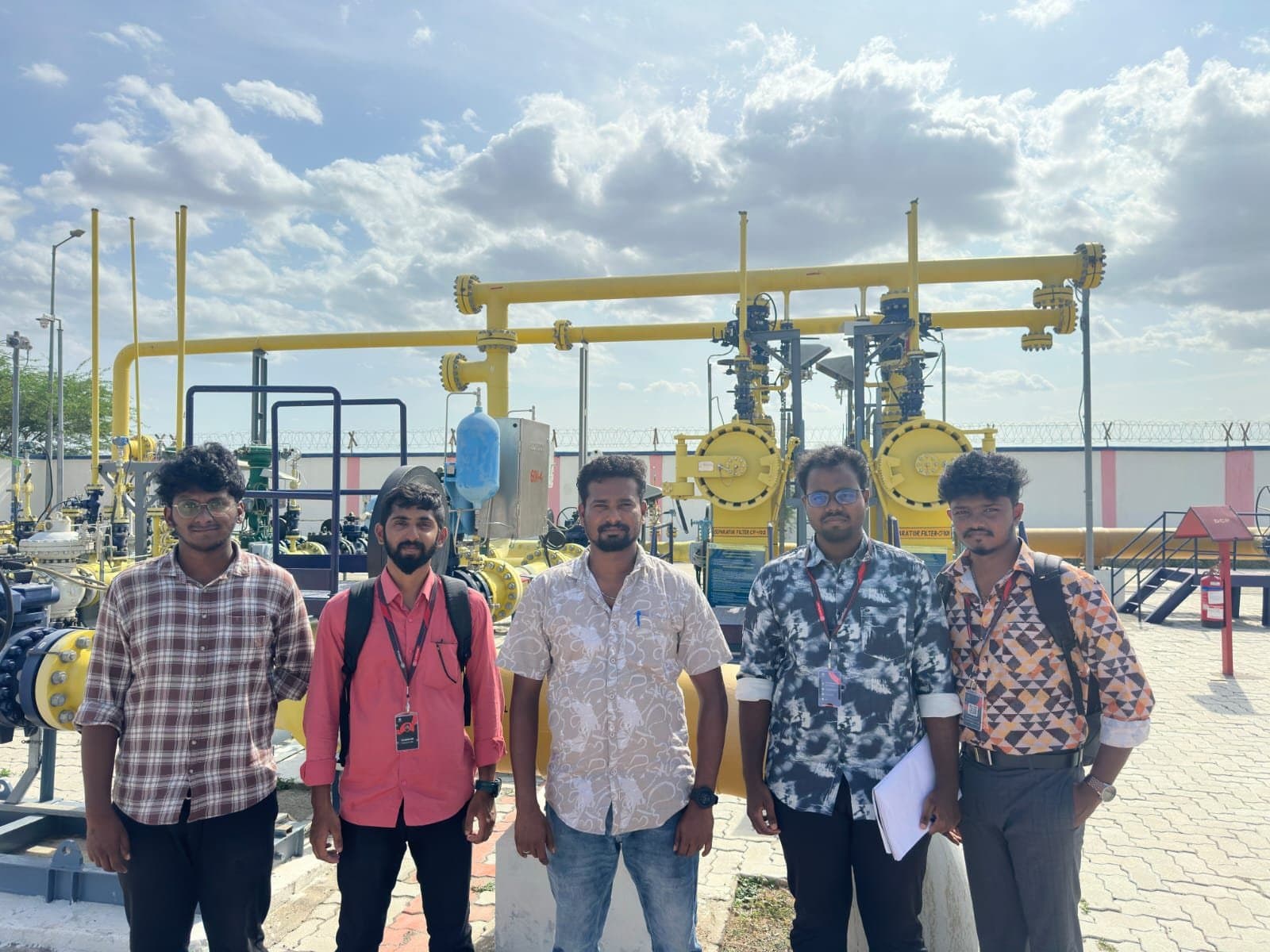
SV and IP stations: the pipeline infrastructure that keeps gas safe
Sectionalizing Valve (SV) stations and Intermediate Pressure Regulation (IP) stations are the unsung infrastructure that keeps gas pipeline networks safe, balanced, and running - seen firsthand during LeakSonic's field visit with Indian Oil Corporation.
What are cathodic protection test lead points, and why they matter
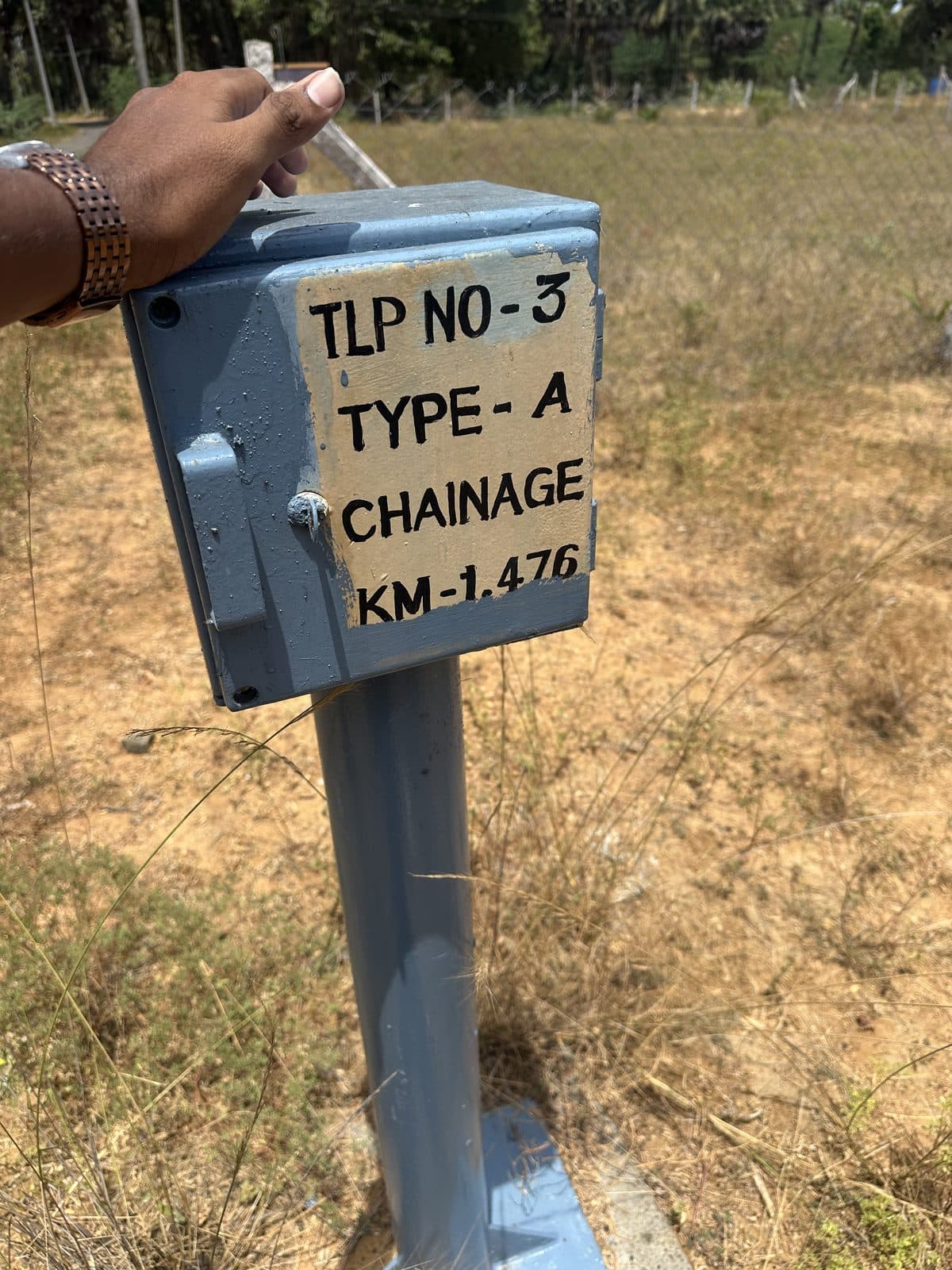
What are cathodic protection test lead points, and why do they matter? A look at how underground pipelines are protected from corrosion - and monitored - decades after they are buried, seen firsthand during LeakSonic's field visit with Indian Oil Corporation.
Where does your inspection programme sit on the path to measurement-based reporting?
The shift from estimated to measured methane reporting under frameworks like OGMP 2.0 is well underway, but most operators have no quick way to see where their own workflow currently sits on that path. We built a free five-question Integrity & Methane Reporting Readiness Assessment to give a directional answer in under two minutes.